

| 24 |
|---|
| pedestal tables, 2019 |
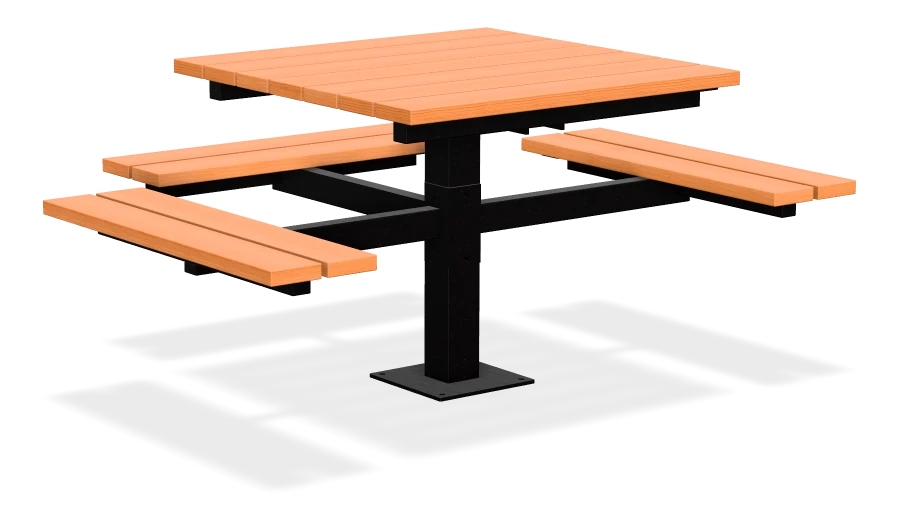
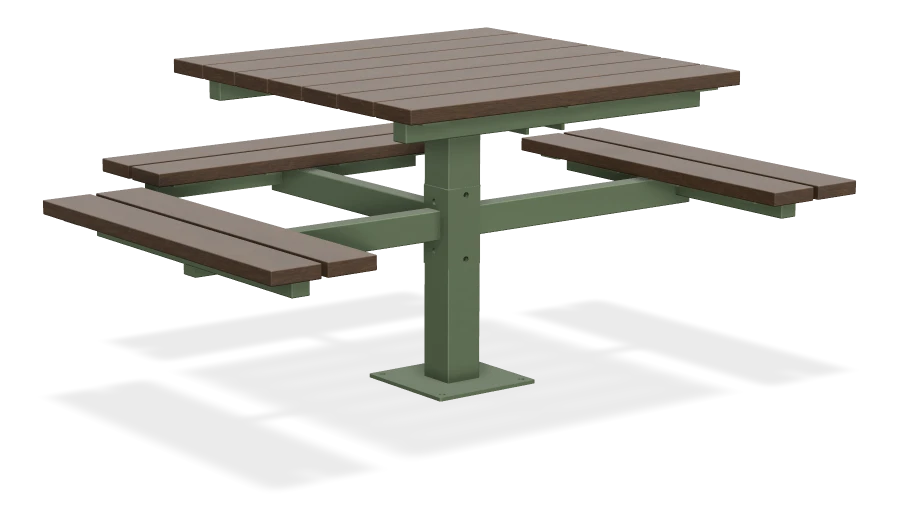
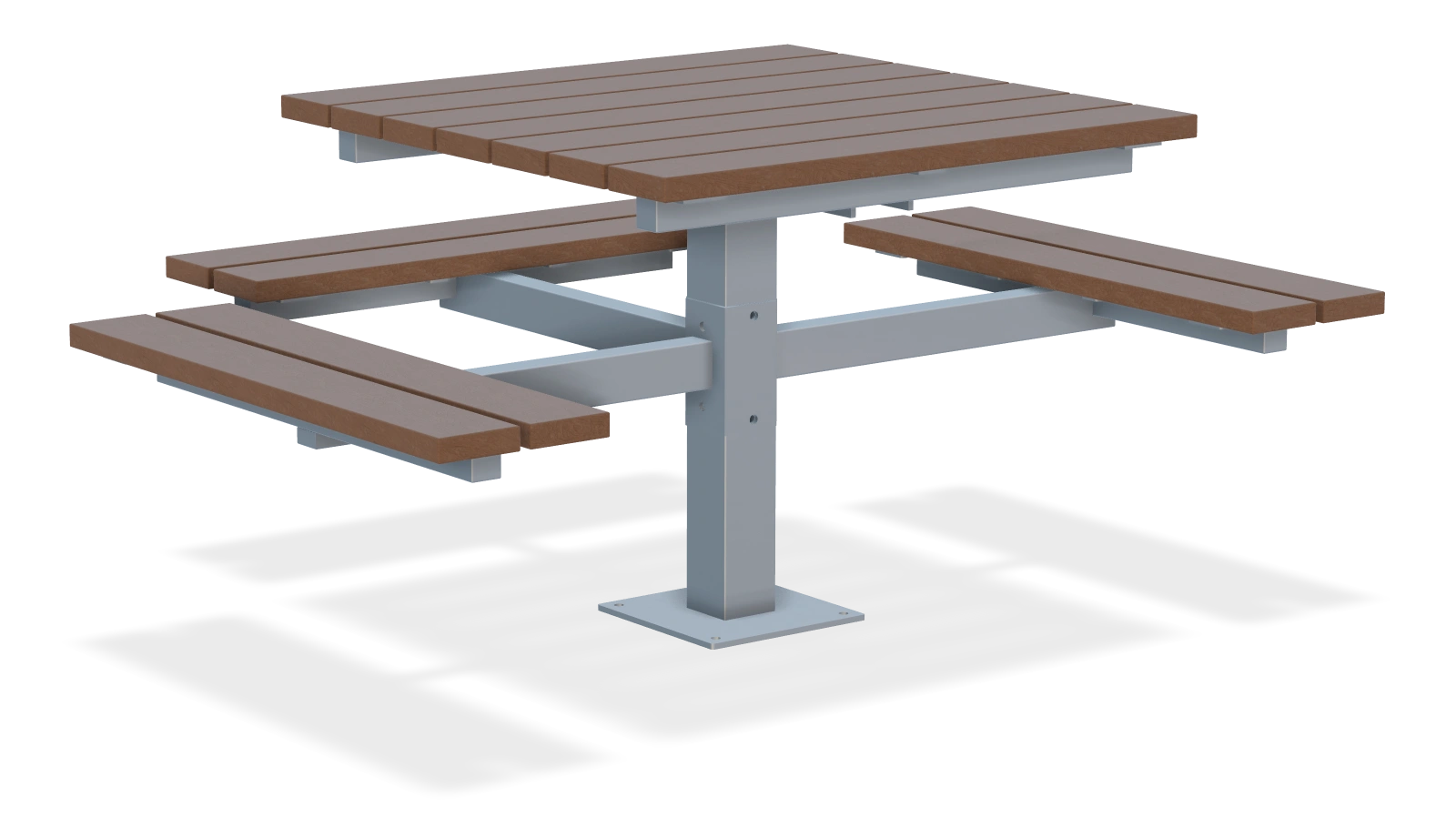
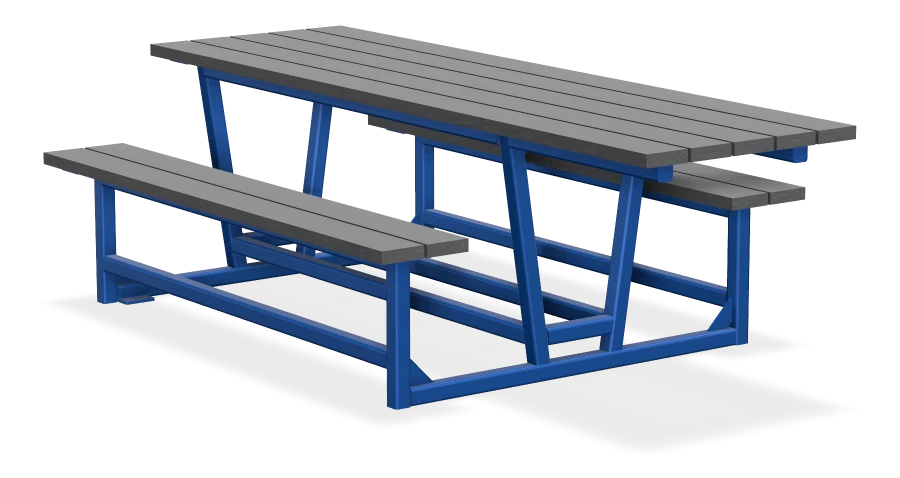
A conventional picnic table has its structure at the corners, which is exactly where a wheelchair needs to be. A pedestal table moves the whole structure to the centre and leaves the perimeter clear. Somebody can pull up anywhere around it, not at a designated end.
Why it grew
The accessible pedestal table does something the accessible rectangular table cannot: it does not look accessible. There is no extended end, no cut-out, no visual signal that this is the table for somebody. The K'ómoks First Nation park took both its picnic tables as pedestals, one accessible and one standard, and from across the park you cannot tell which is which. That is the design outcome most accessibility work is aiming at and rarely reaches.
The trade-off
A pedestal table is in-ground or surface-mounted on a single point, so it is not freestanding and it does not move. It also flexes more under an uneven load than a four-legged table, which is why ours are built heavier than they look. It is a table for a fixed position in a space designed around it.
On site
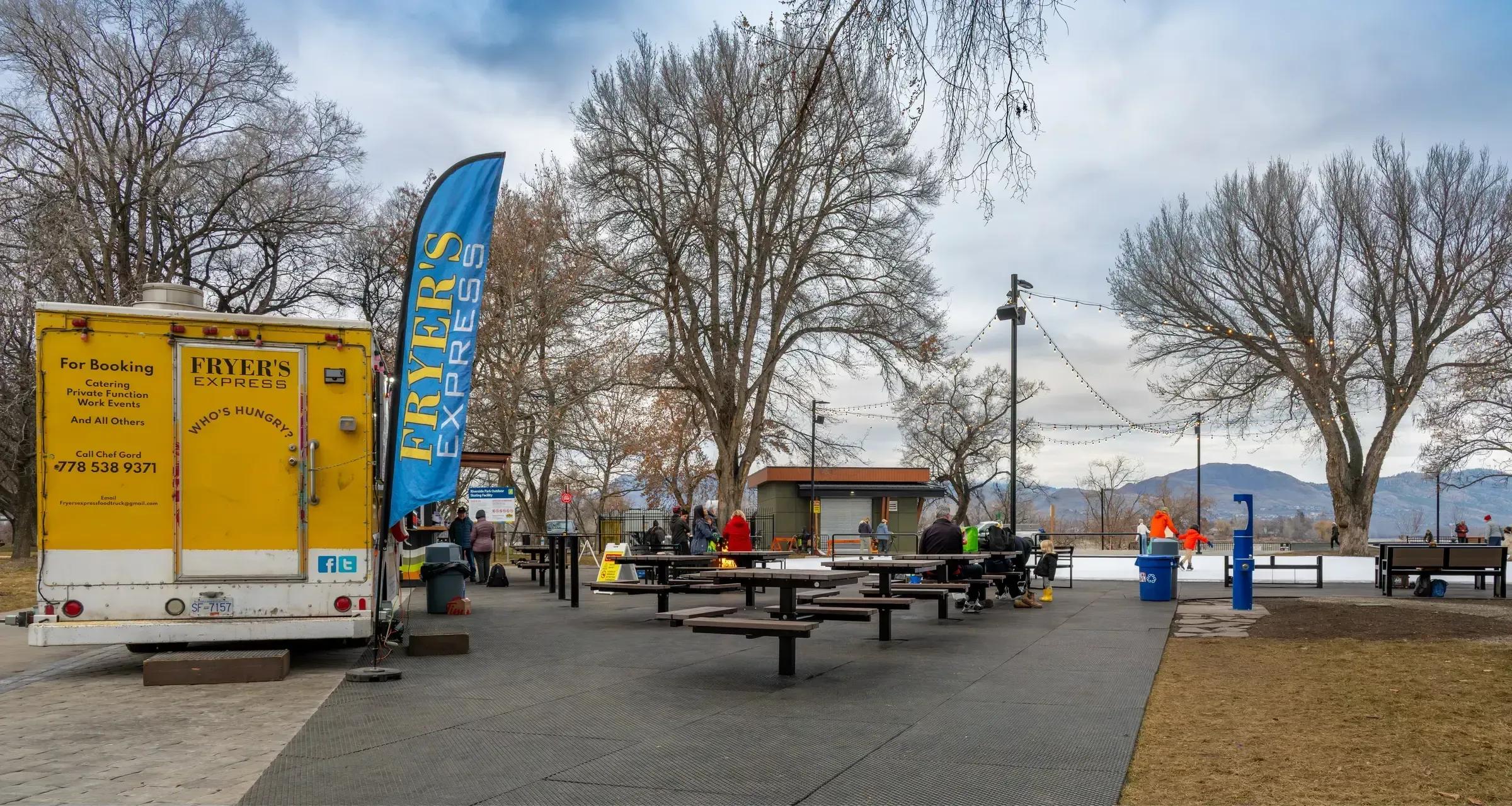
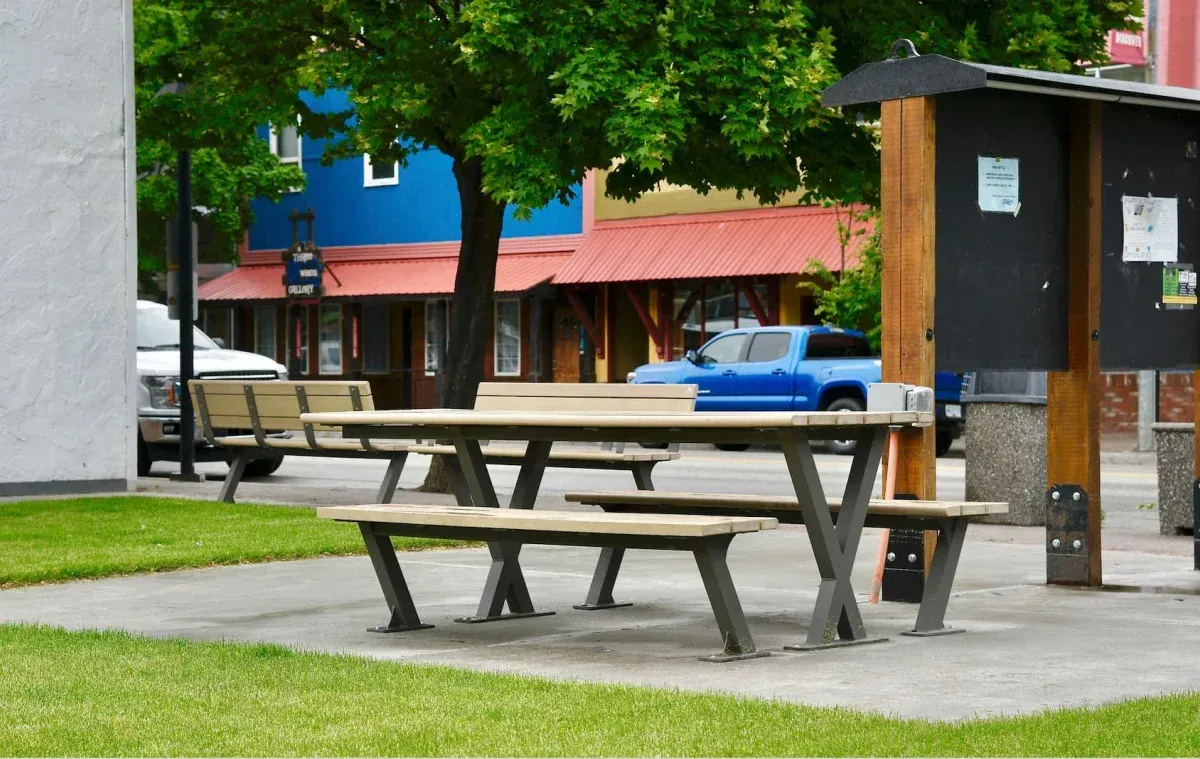
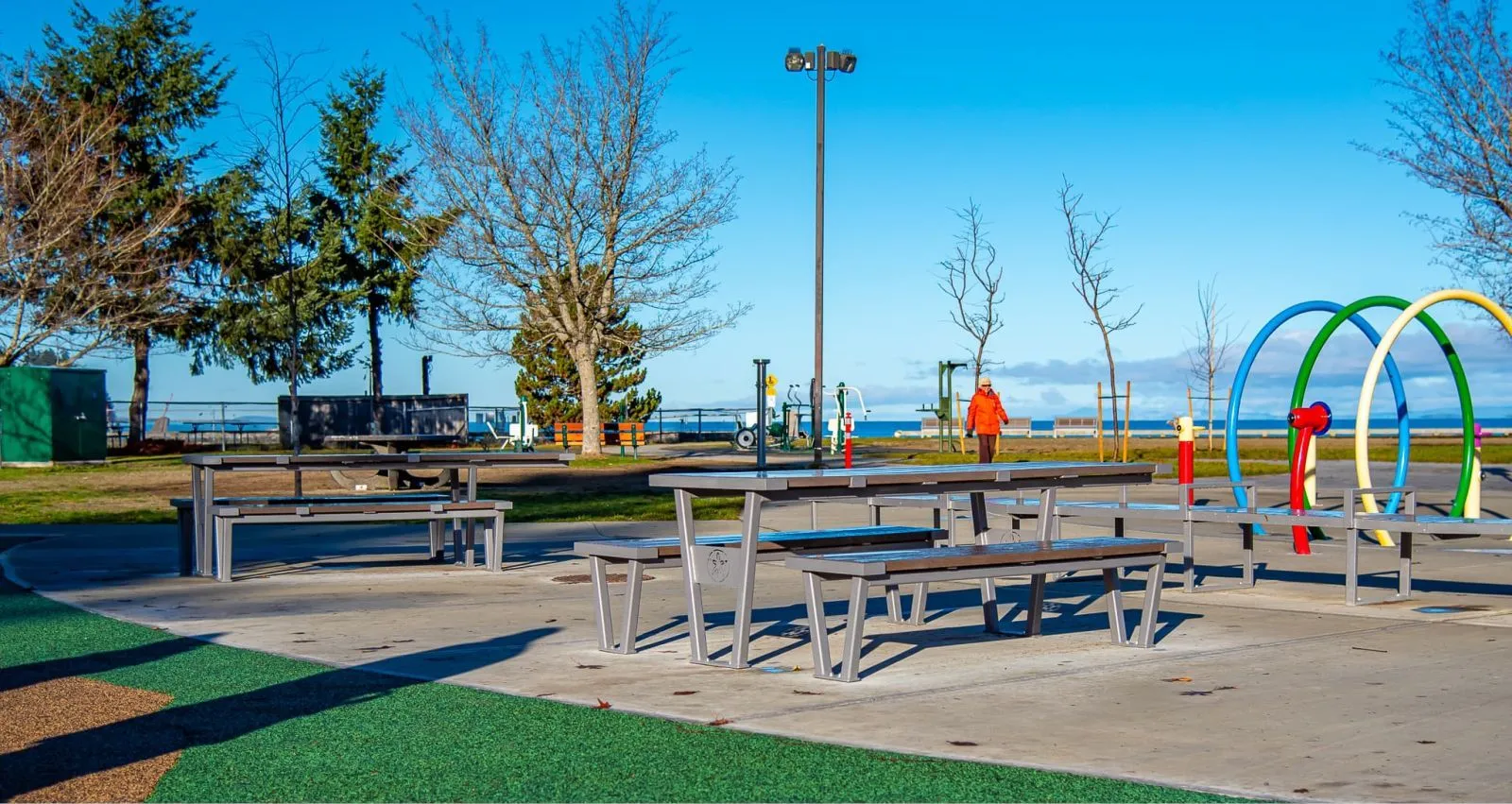
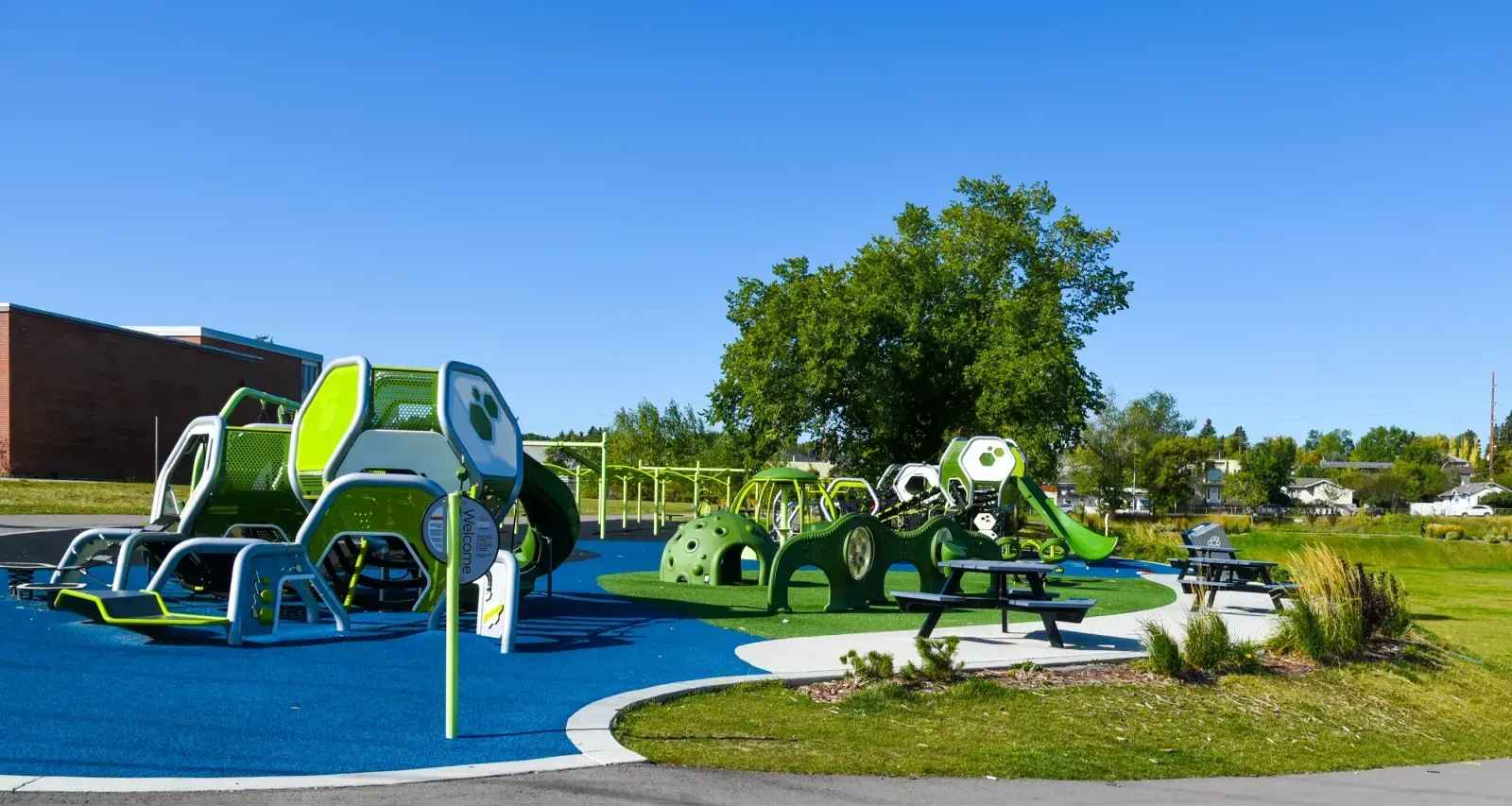
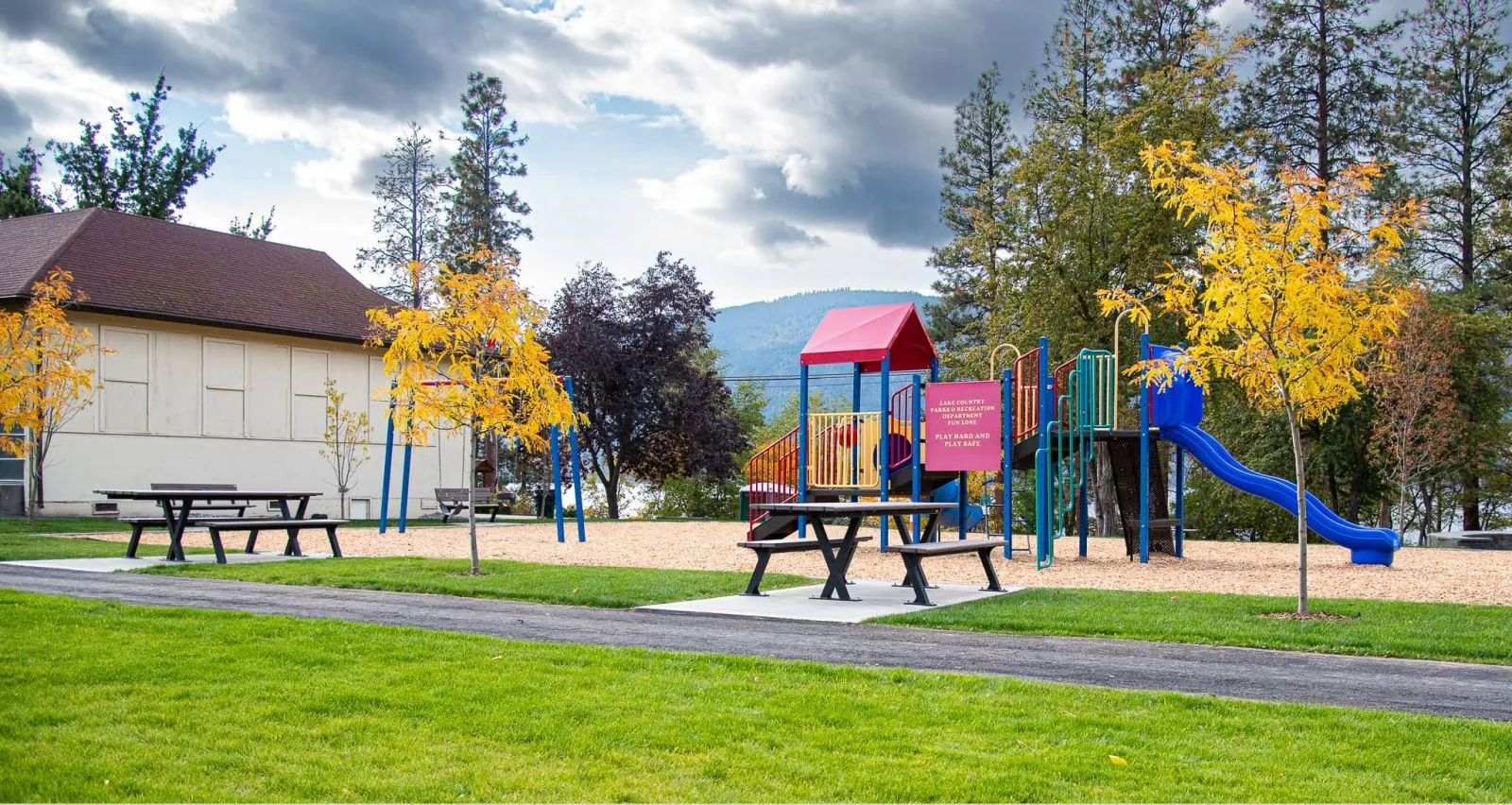
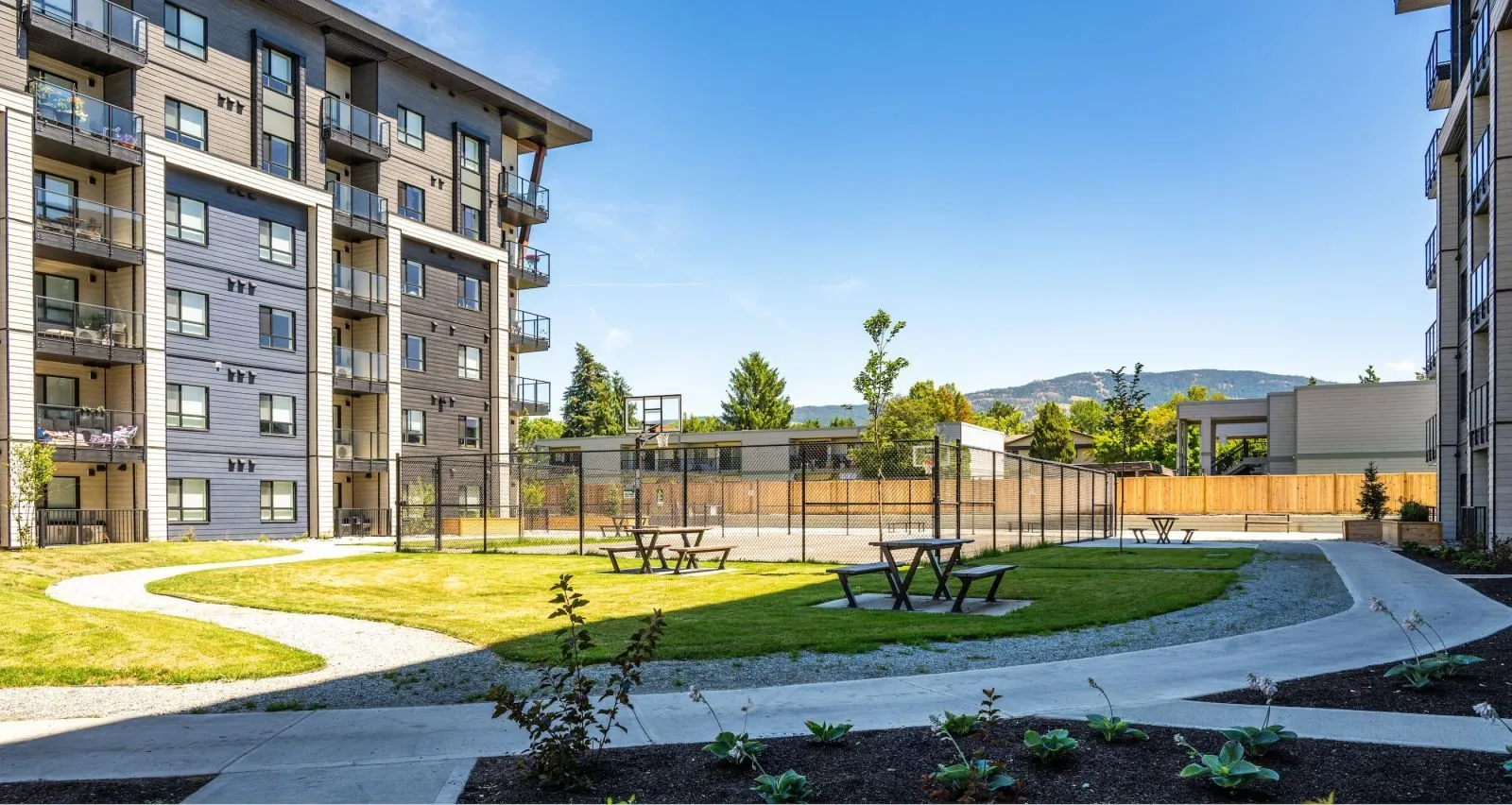
Single Pedestal Picnic Table, Wheelchair Accessible, Inground Mount
Loading…
Keep looking
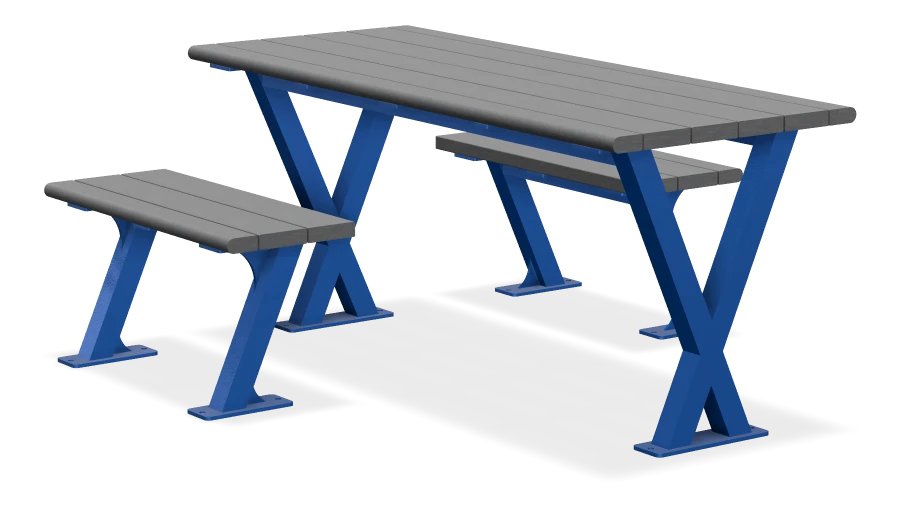
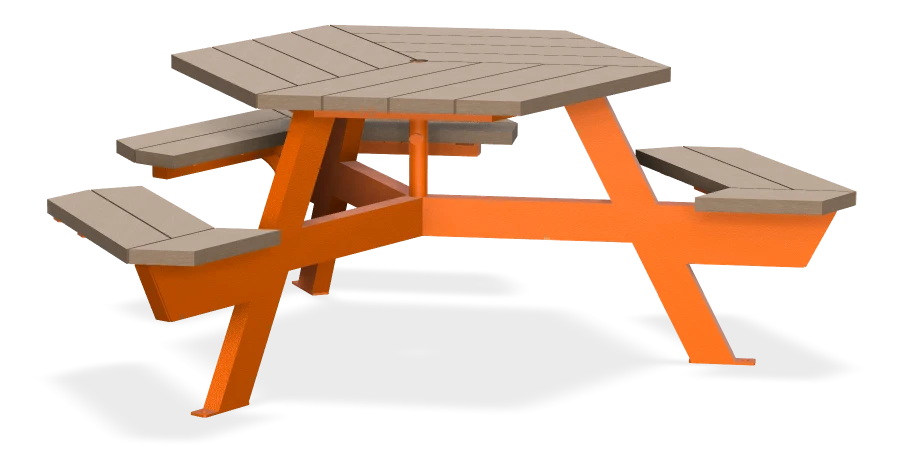
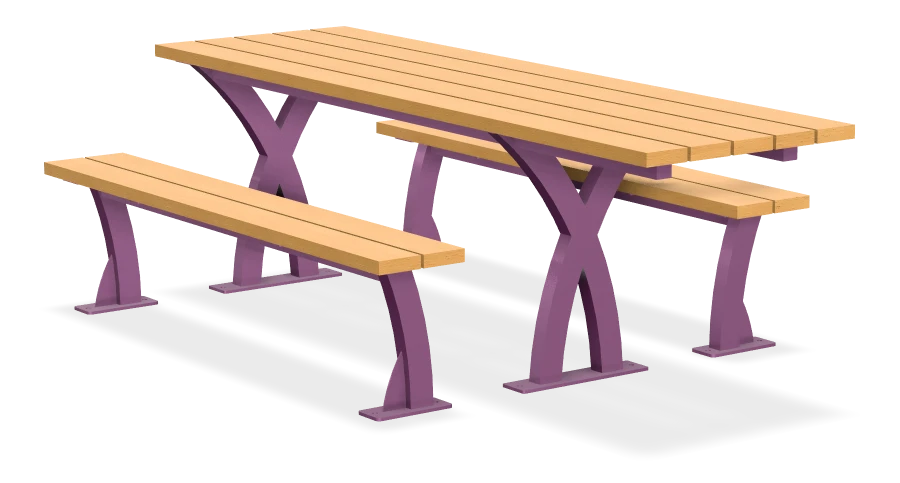
The other accessible table forms
Explore: Picnic Table · Accessible