
| 328 |
|---|
| self-watering planters since 2018 |
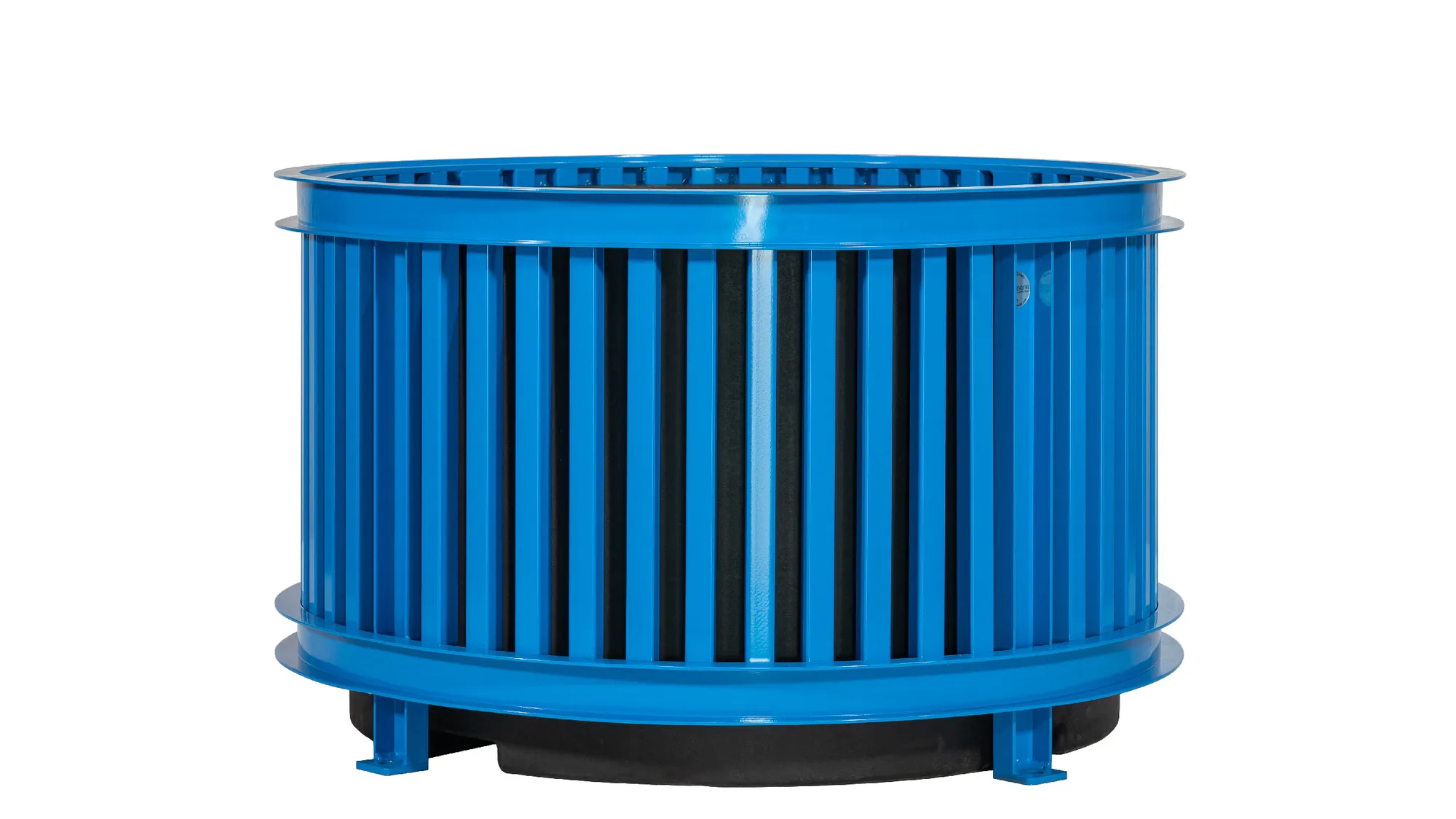
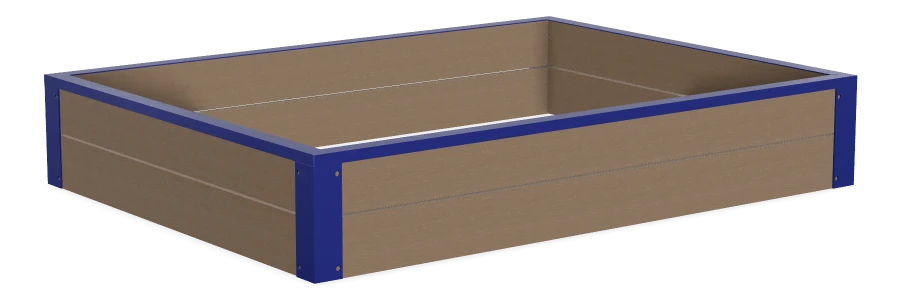
A self-watering planter has a reservoir under the soil. The plant draws from it by capillary action, and the reservoir is filled every week or two instead of the soil being watered every day. It was designed for sites with no crew to water daily. Its environmental effect is that almost none of the water evaporates from the surface before a root reaches it.
Featured
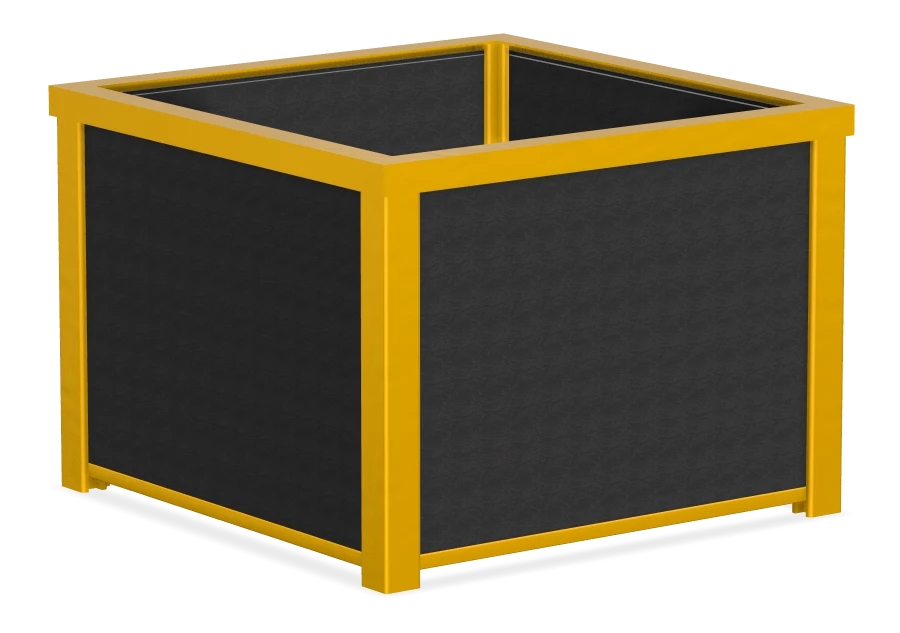
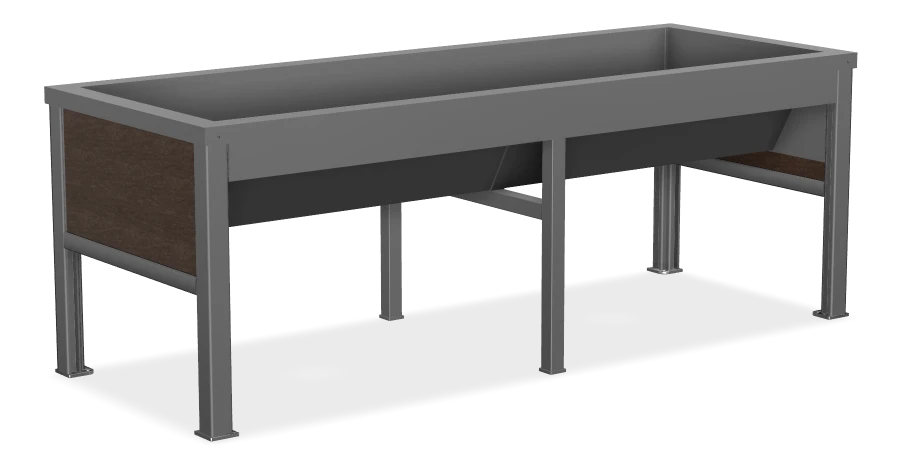
Self-watering and accessible planters
Why it pairs with accessibility
The two fastest-growing planter types in our orders are self-watering and wheelchair-accessible, and they tend to go in together. A bed gardened by people with limited mobility is also a bed that may not be watered on a schedule. The reservoir covers the gap, and a community garden that survives August is a community garden that gets used the following year.
The honest caveat: we have not measured water savings, and the figure depends on climate, planting and how the bed was watered before. The Okanagan, where a large share of these go, is a place where a summer of daily surface watering is a real cost, and a place with water restrictions most years. That is the argument, and it is enough of one.
On site
Explore: Planters · Self-Watering · Accessible · Sustainable