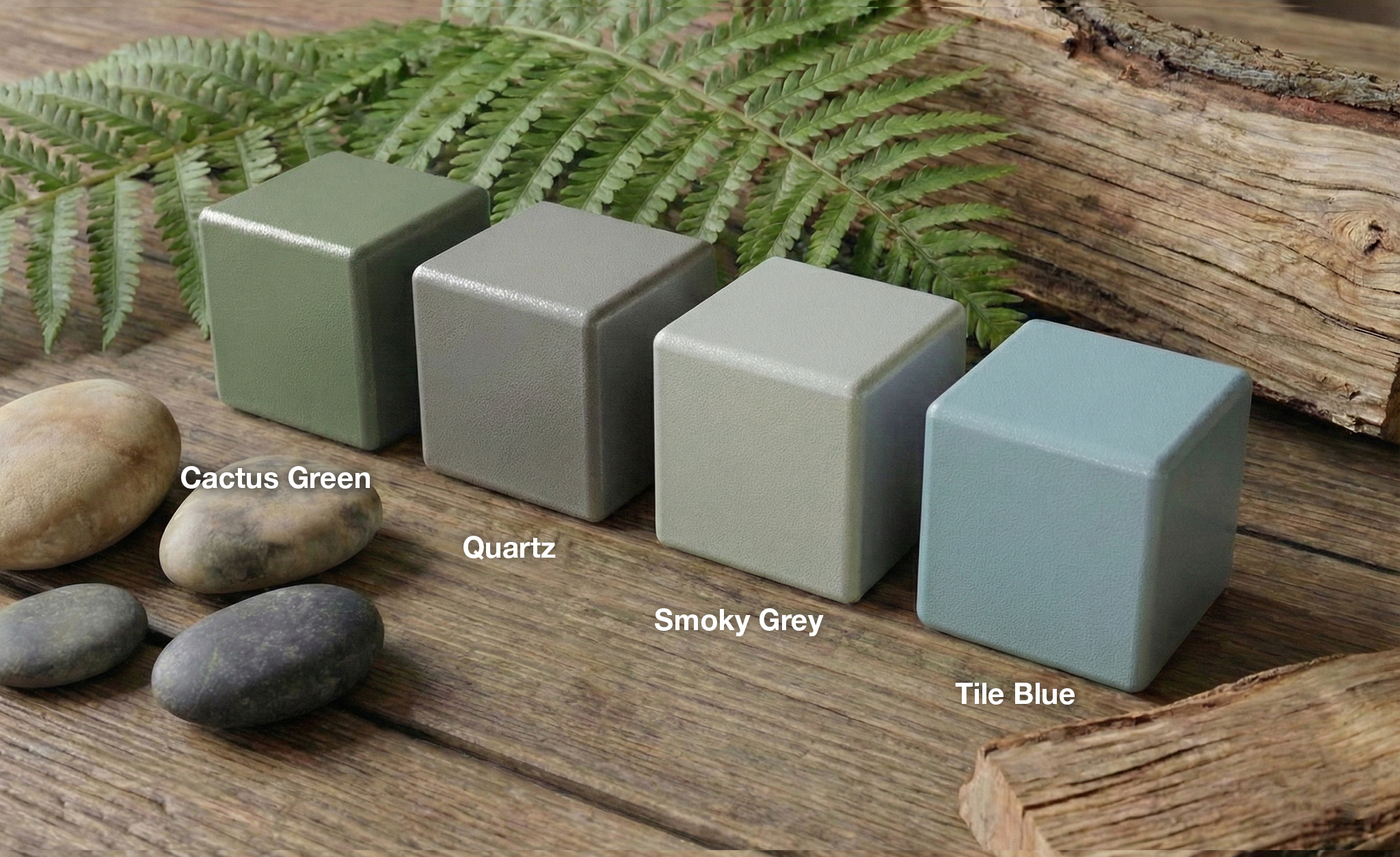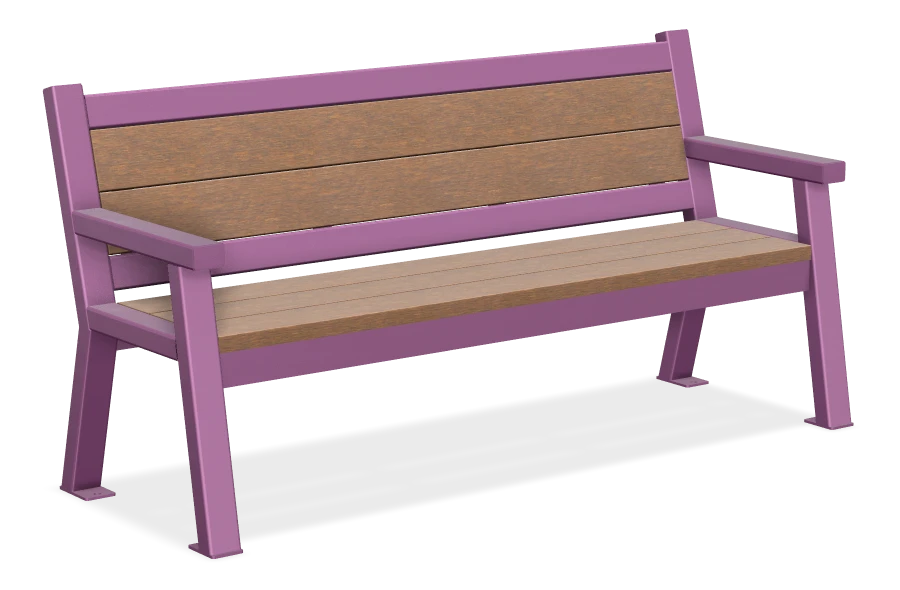
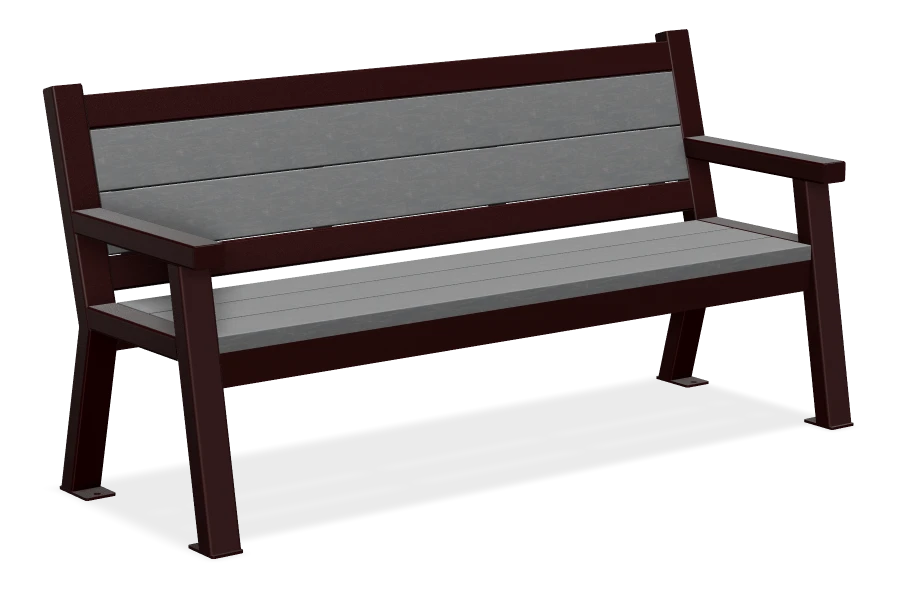
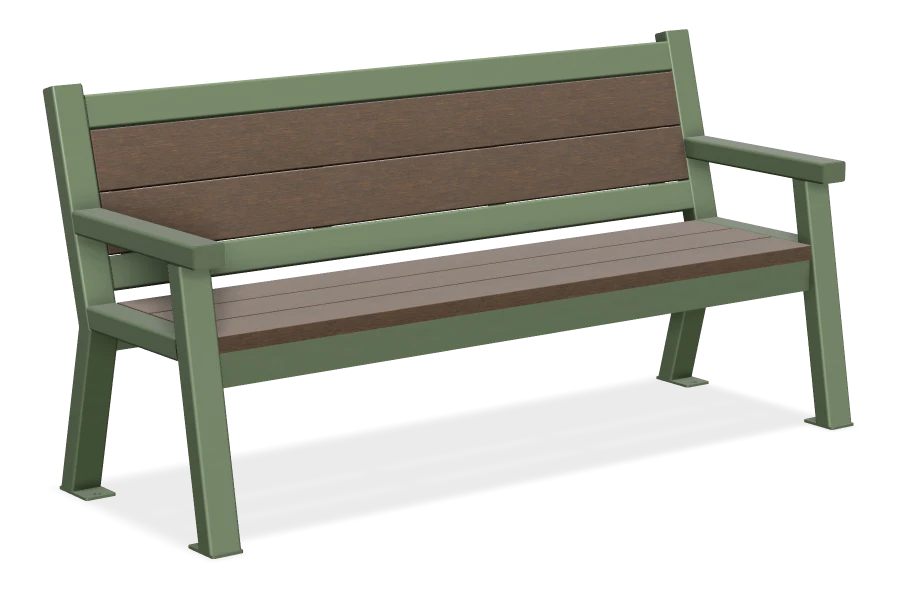
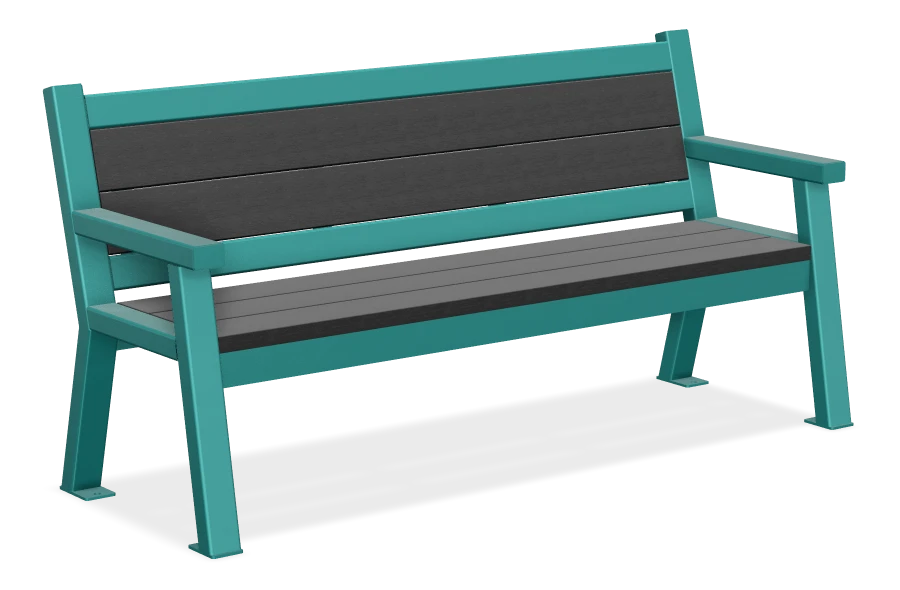
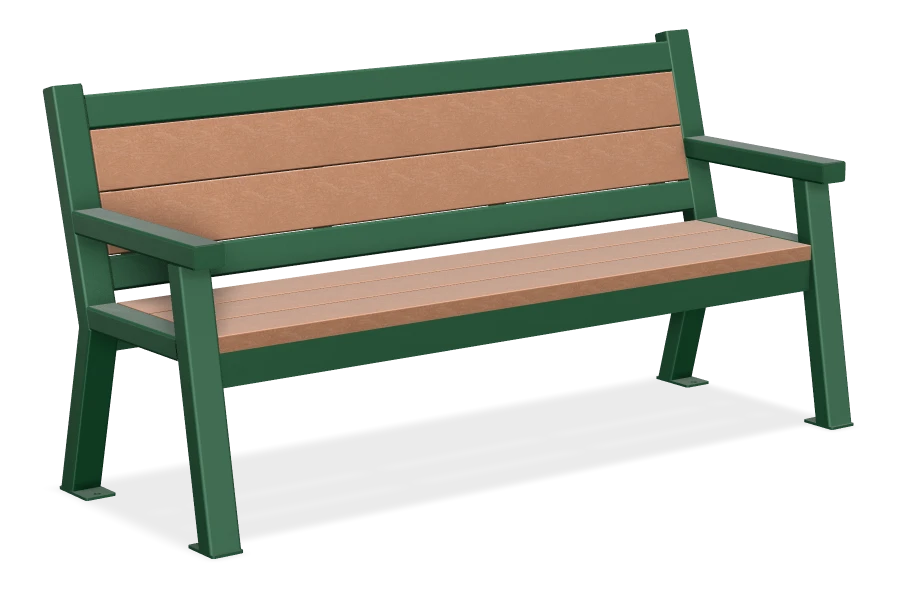
The federal policy is deliberately flexible. It requires environmental considerations to be part of procurement planning and names the factors, but it sets no thresholds for a bench, leaving each buyer to decide what "environmentally preferable" means for the thing they are buying. Most municipal policies are modelled on it. So the useful question is not what the policy requires. It is what to ask.
Ask about the material
What is the recycled content, as a single figure, and how much of it is post-consumer? Is the figure substantiated to ISO 14021, or is it a marketing range? What is the frame made of, and is it recyclable at end of life?
Ask about the life
What is the warranty, and against what? What maintenance does the product need each year, in product and in crew time? Can a single damaged component be replaced, or does damage mean a new unit? Is the product still going to be in the catalogue in twelve years, so the replacement matches?
Ask about the journey
Where is it manufactured, and where is it finished? How far will it travel to the site? Does it ship assembled or flat, and what is the packaging?
Ask about the end
When it does come out, what happens to it? Can the lumber be reprocessed? Can the frame be recycled as scrap? Does the manufacturer take anything back?
We can answer most of those today and are working on the ones we cannot, which is the honest position and the one this page is built on. A supplier who can answer all of them has thought about the product past the day it is installed. That is the supplier a park wants.
Explore: Sustainable · Resources · Materials
Policy on Green Procurement, Treasury Board of Canada; mandatory criteria for green procurement, PSPC.