| 0 |
|---|
| annual refinishing cycles |
An honest comparison with wood has to start by conceding something. Timber stores carbon for its life, and the life-cycle studies are careful about that. A well-maintained cedar bench is not an environmental villain. The problem is the well-maintained part.
Featured
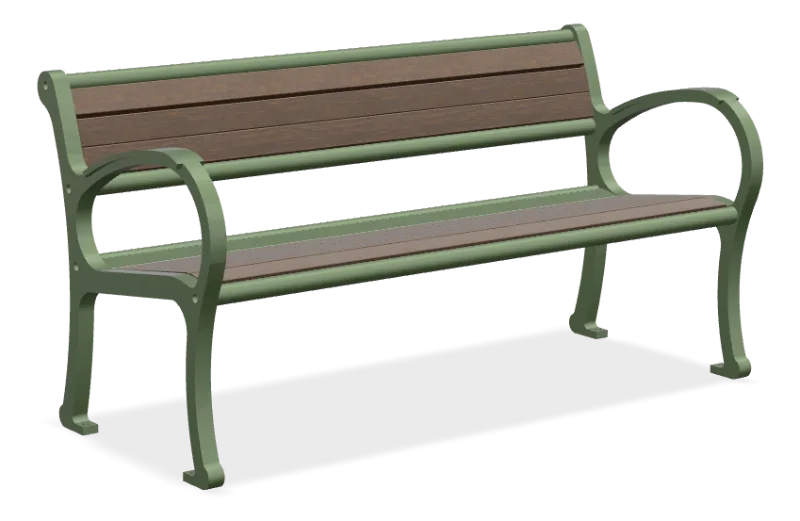
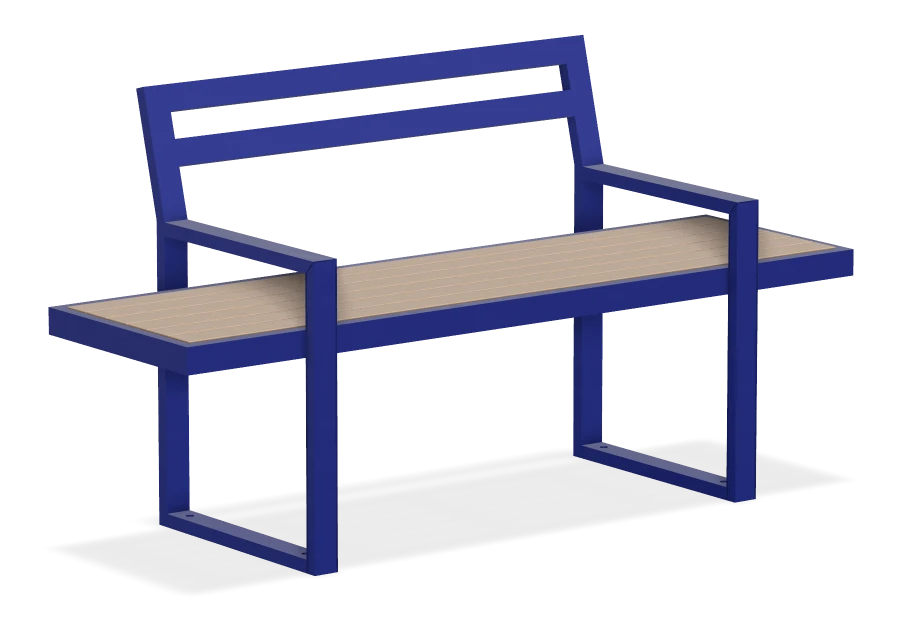
The cedar and wood options, offered honestly
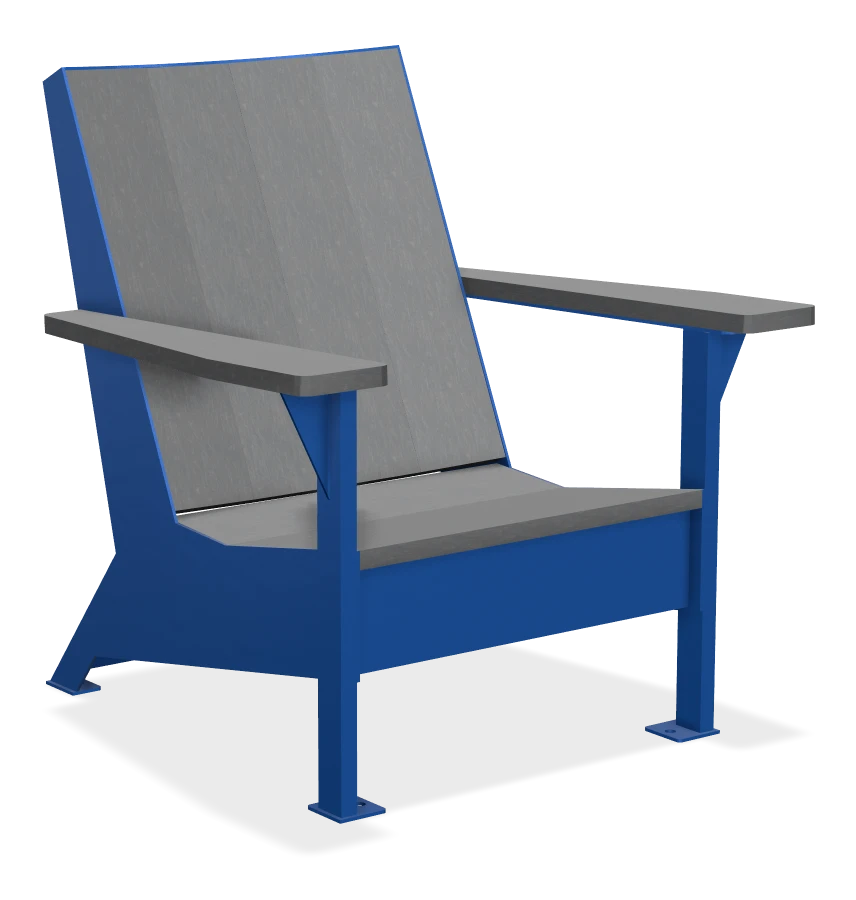
Wood outdoors needs a coating, and the coating needs renewing. Each cycle is a solvent or water-based product applied by a crew, on a schedule that municipal budgets cut first and restore last. The bench that misses two springs is the bench that greys, checks, and gets replaced early. The environmental cost of wood furniture is mostly the maintenance it was supposed to get and the early replacement when it did not.
What recycled lumber removes
The entire maintenance line. No coating to apply, so no product bought, stored, applied, or disposed of. No crew day. No graffiti removal lifting a finish, because there is no finish. The bench in year fifteen is the bench in year one, weathered slightly at the surface and unchanged underneath.
We will not claim a carbon number for this, because the studies that compare recycled plastic to treated wood come out differently depending on how they count recycling and end of life. What we will say is that a bench which needs nothing for twenty years is the one whose environmental performance does not depend on a budget line surviving.
On site
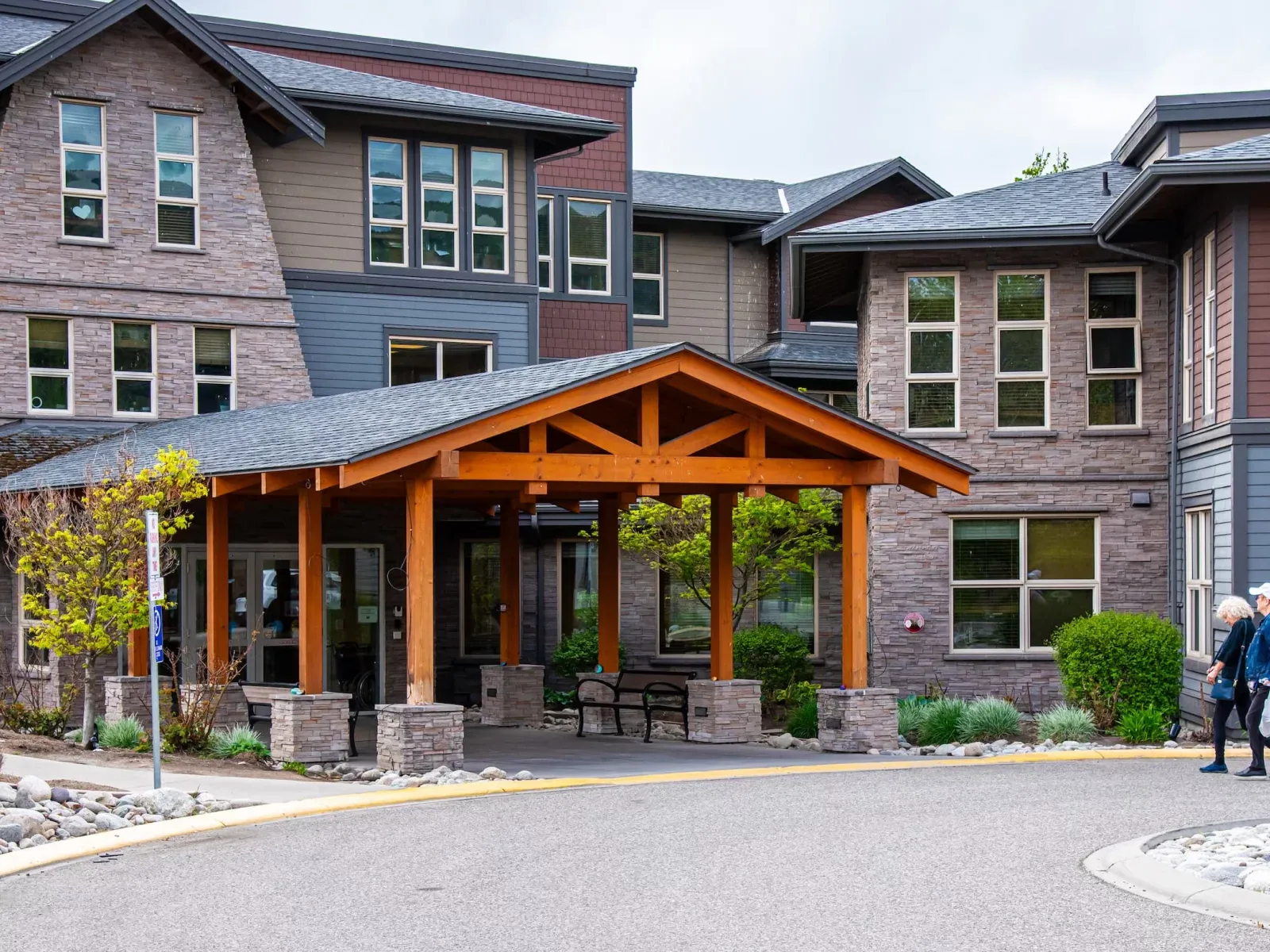
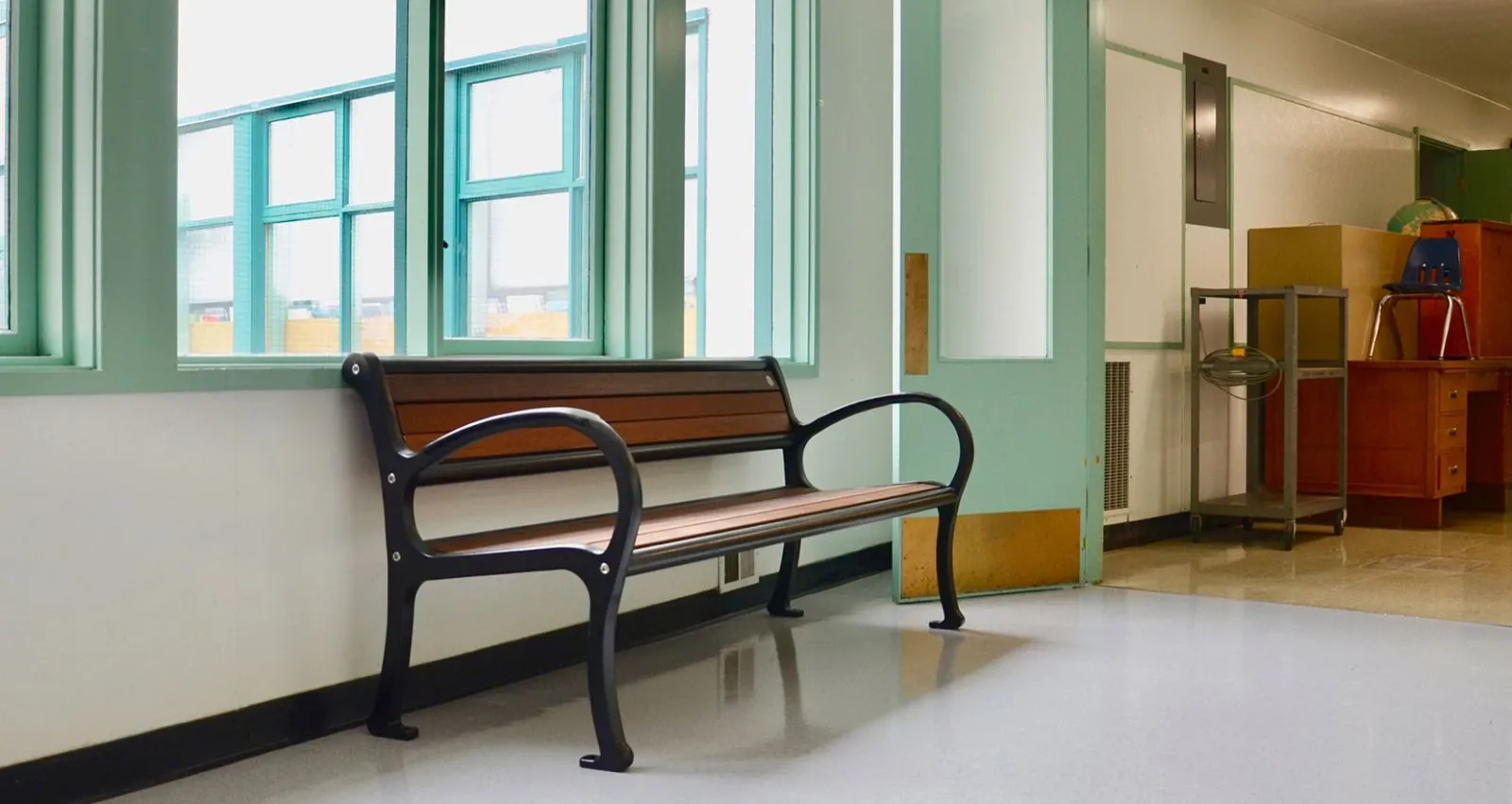
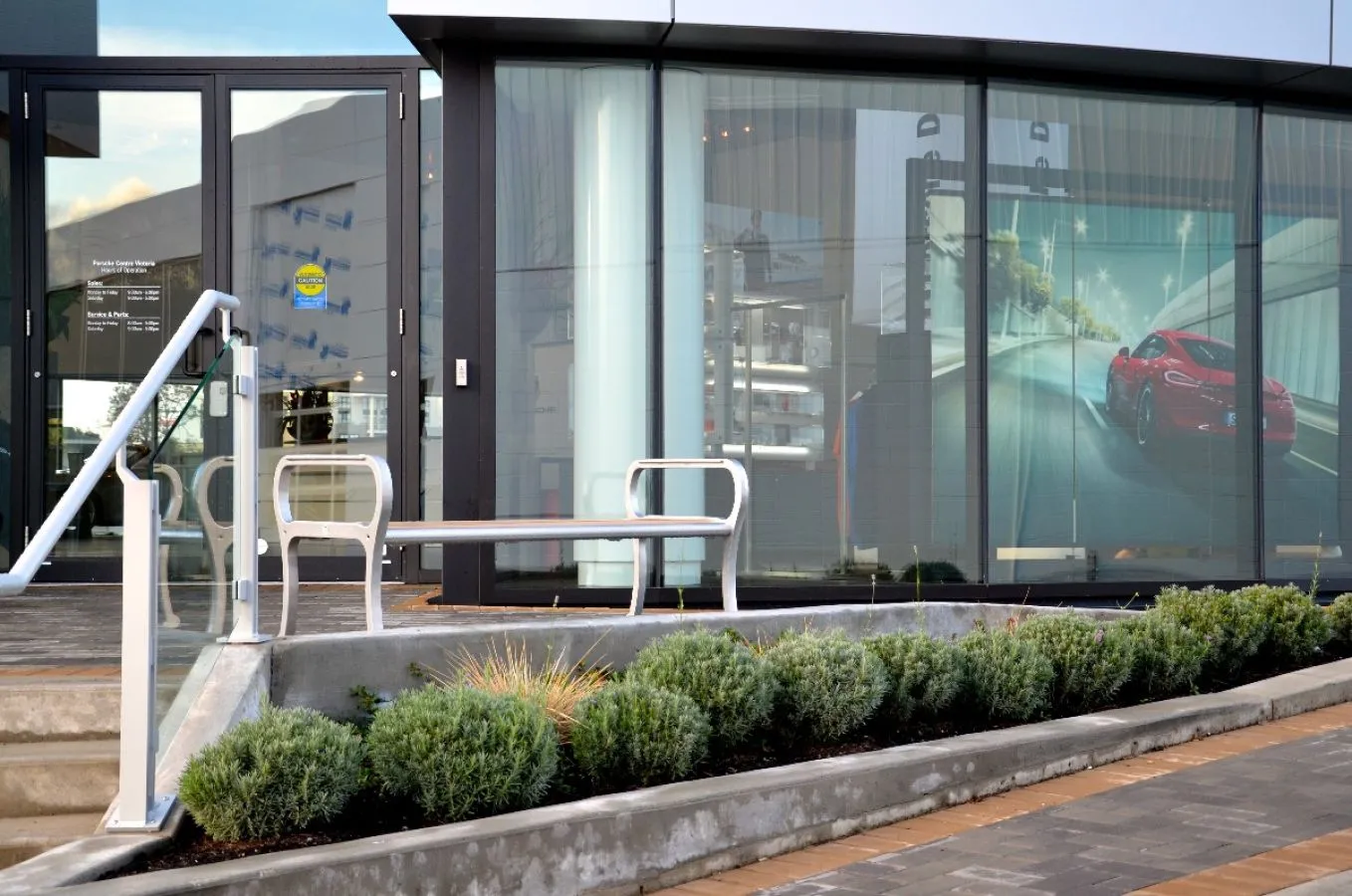
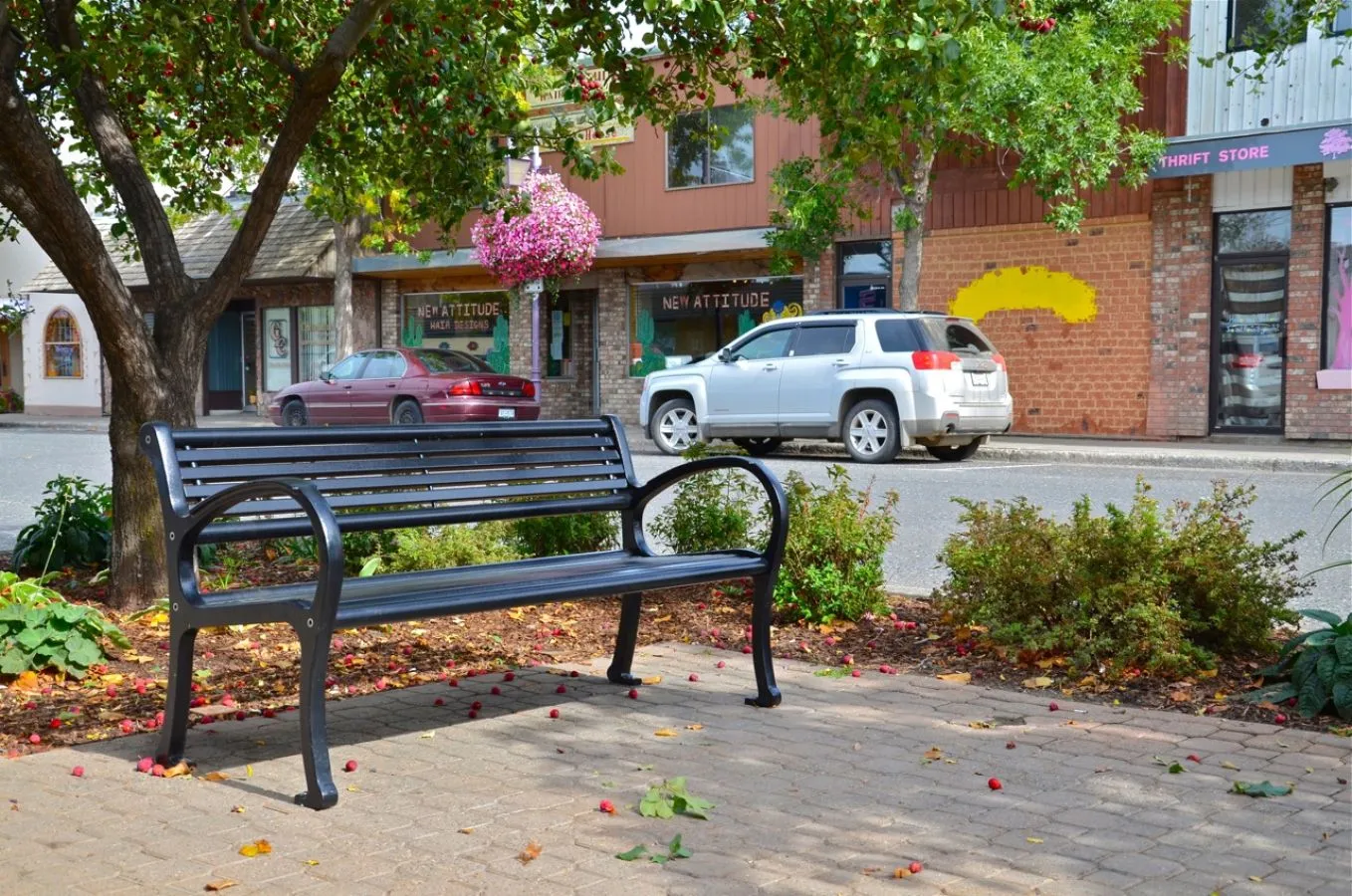
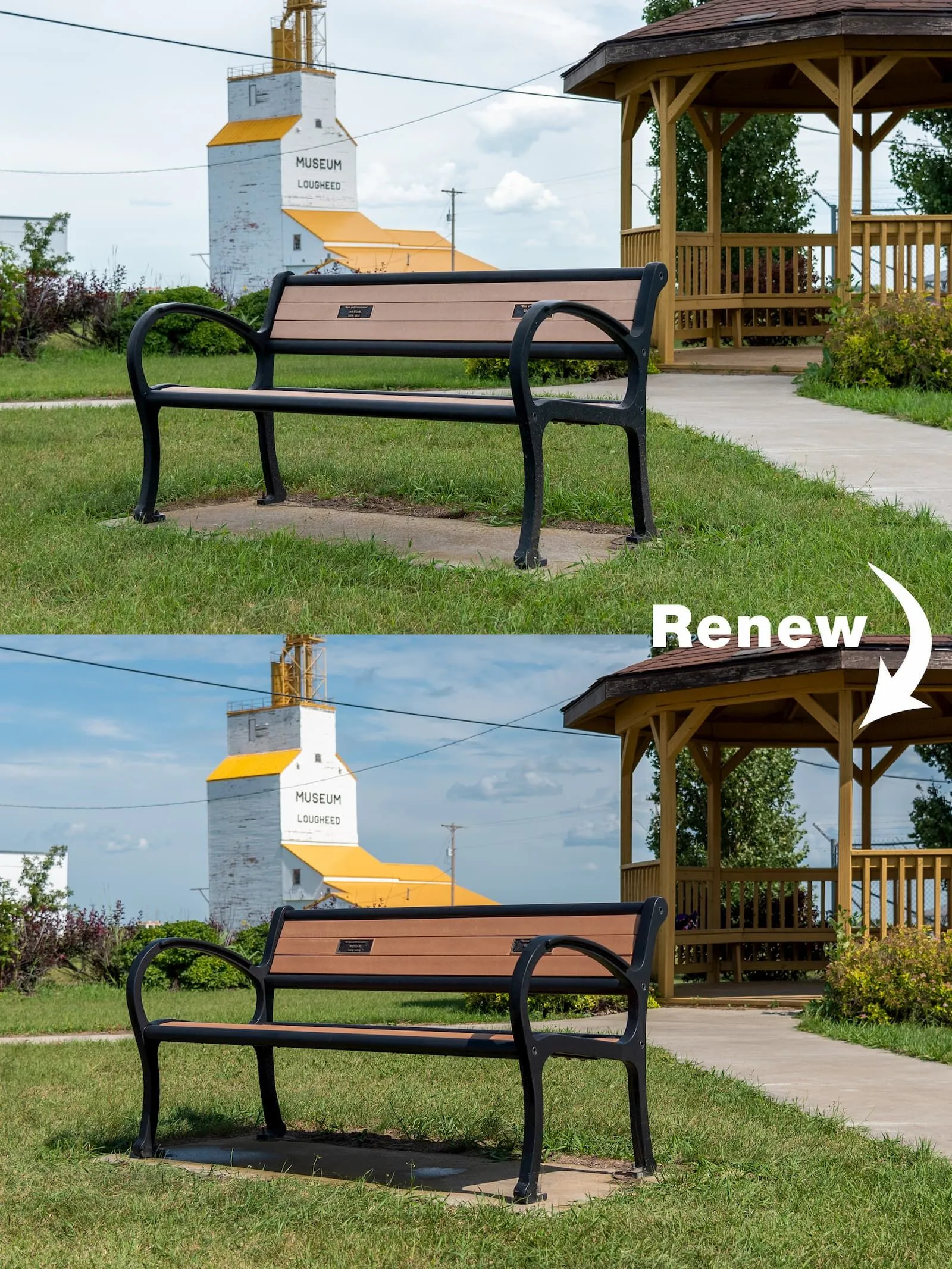
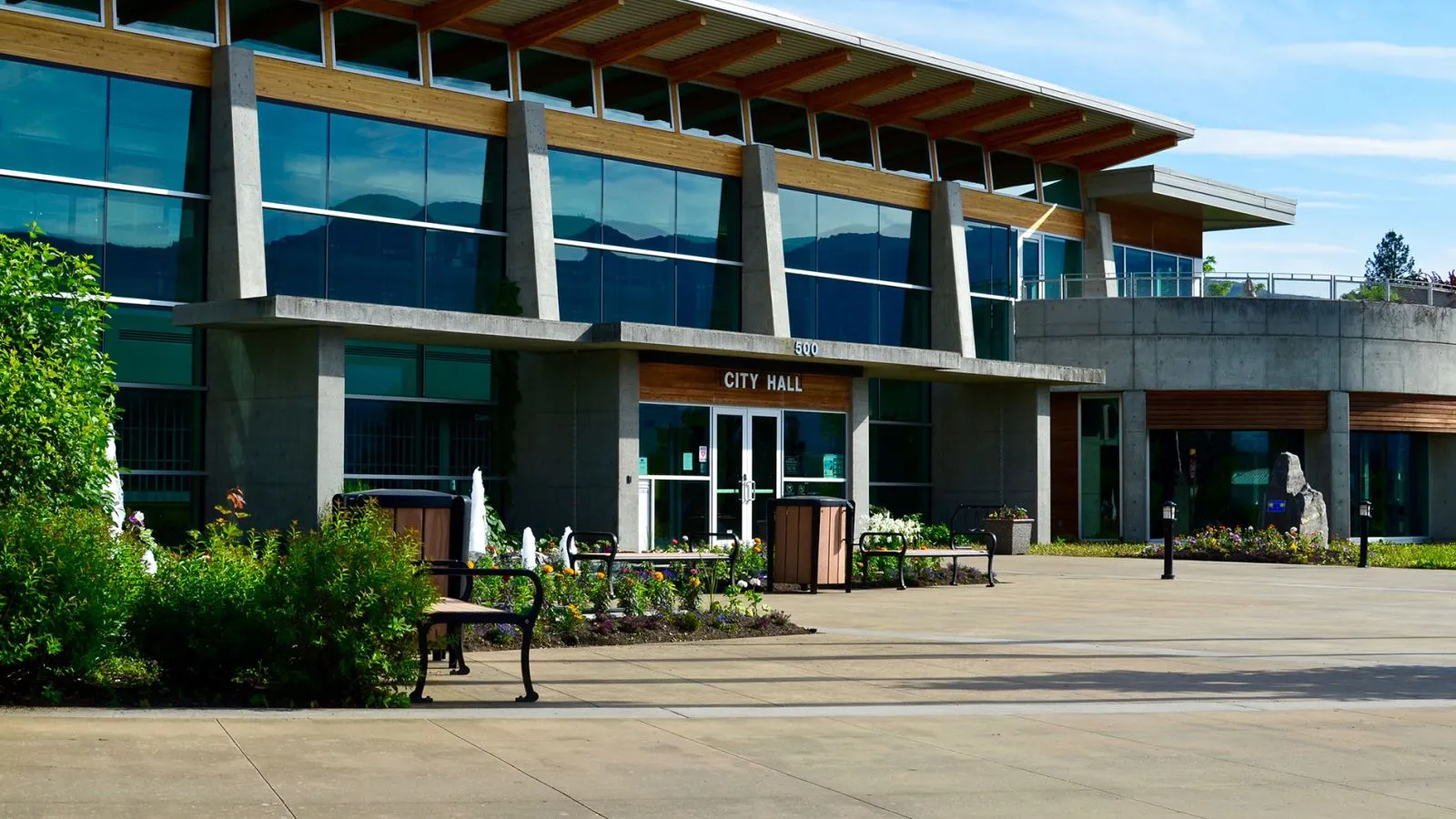
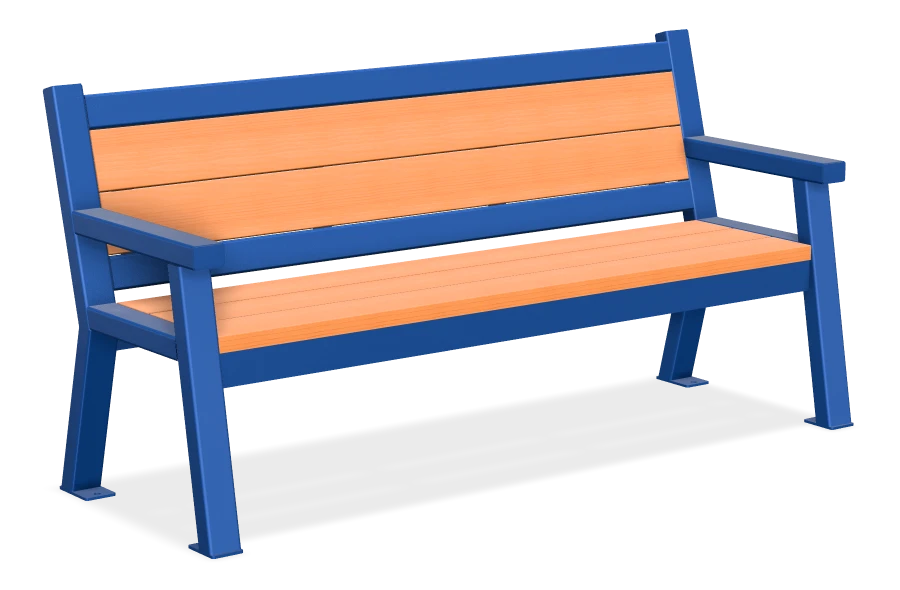
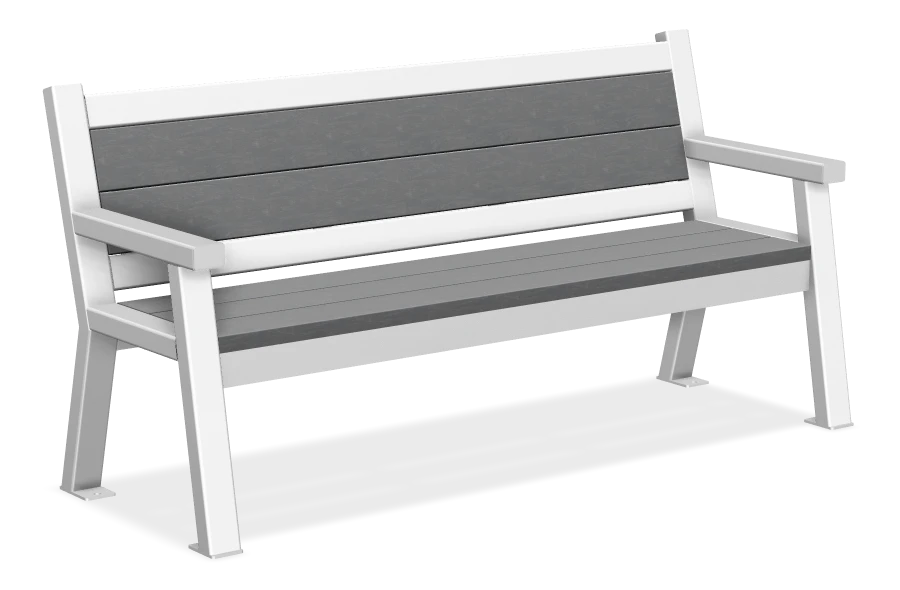
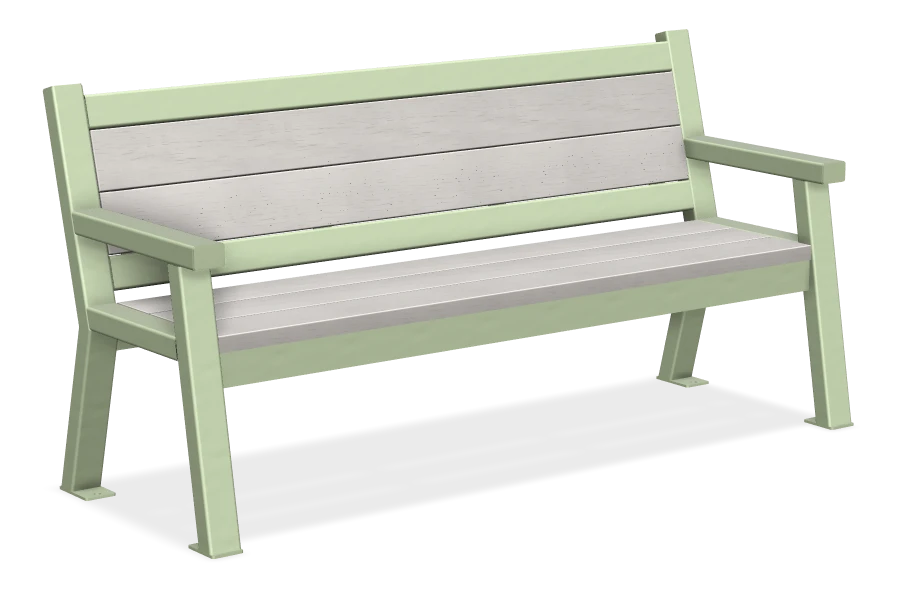
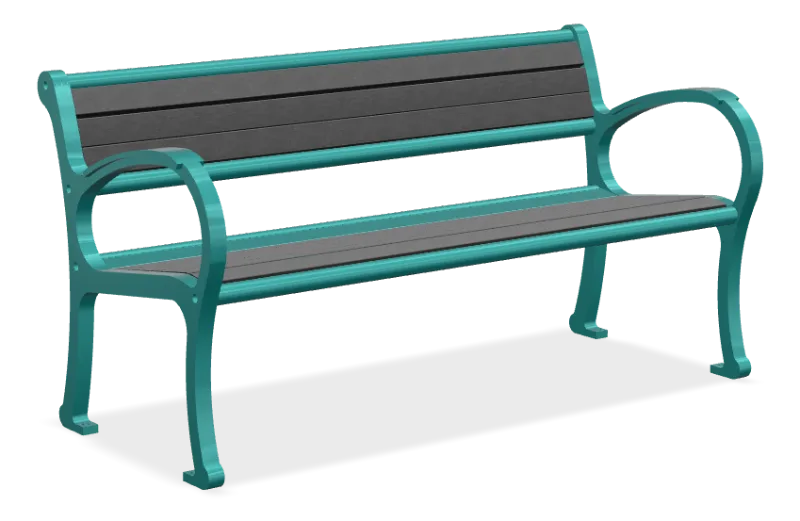
Mountain Classic Bench 5ft
Loading…
Explore: Materials · Sustainable
On the carbon comparison: life-cycle assessments of treated lumber against composite decking reach different conclusions depending on end-of-life accounting, see Bolin and Smith, Journal of Cleaner Production and Sommerhuber et al., Resources, Conservation and Recycling. This piece makes no carbon claim for that reason.