| 194 |
|---|
| two-space racks, 2019 |
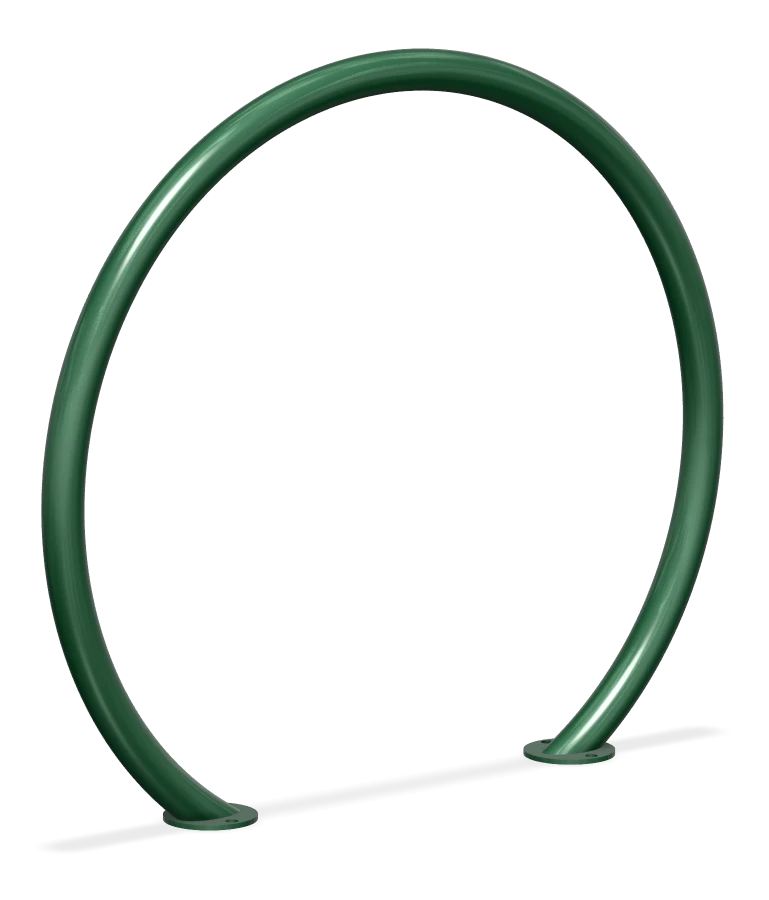
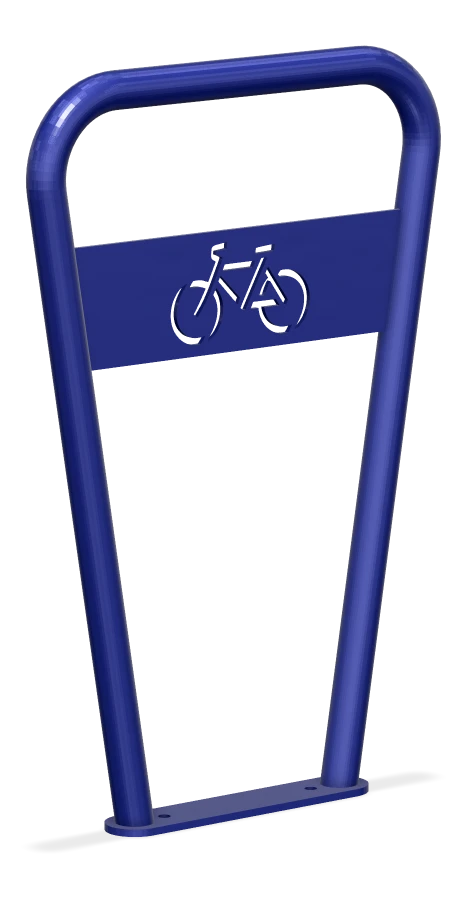
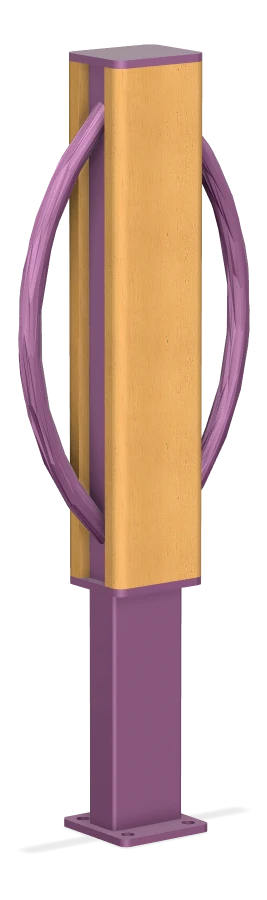
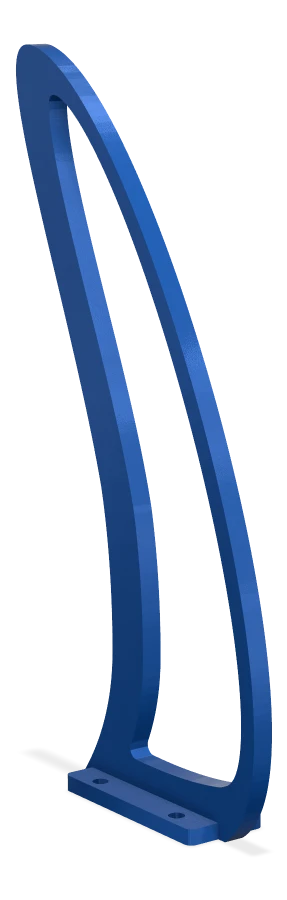
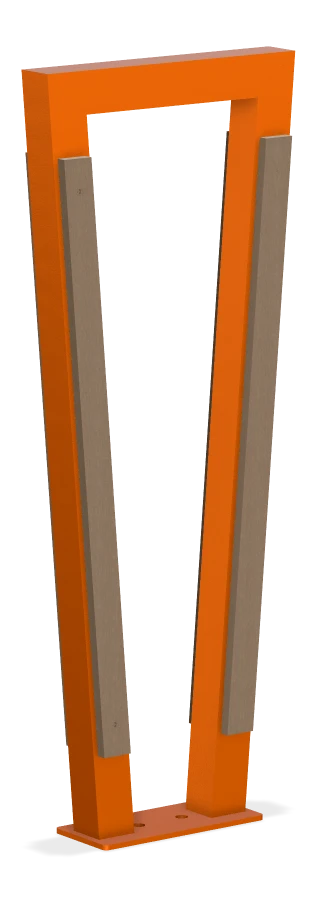
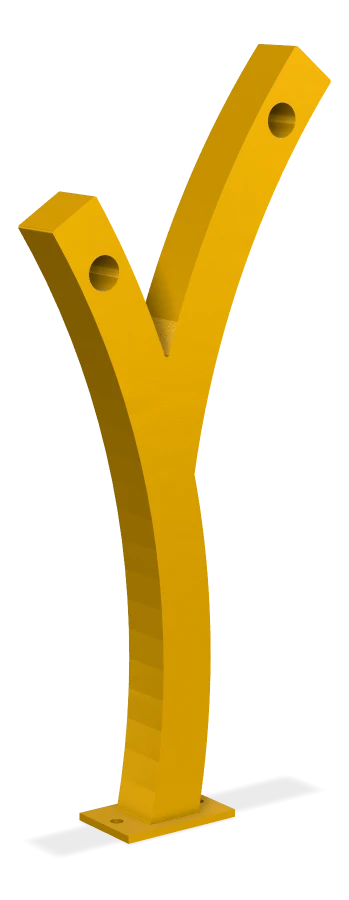
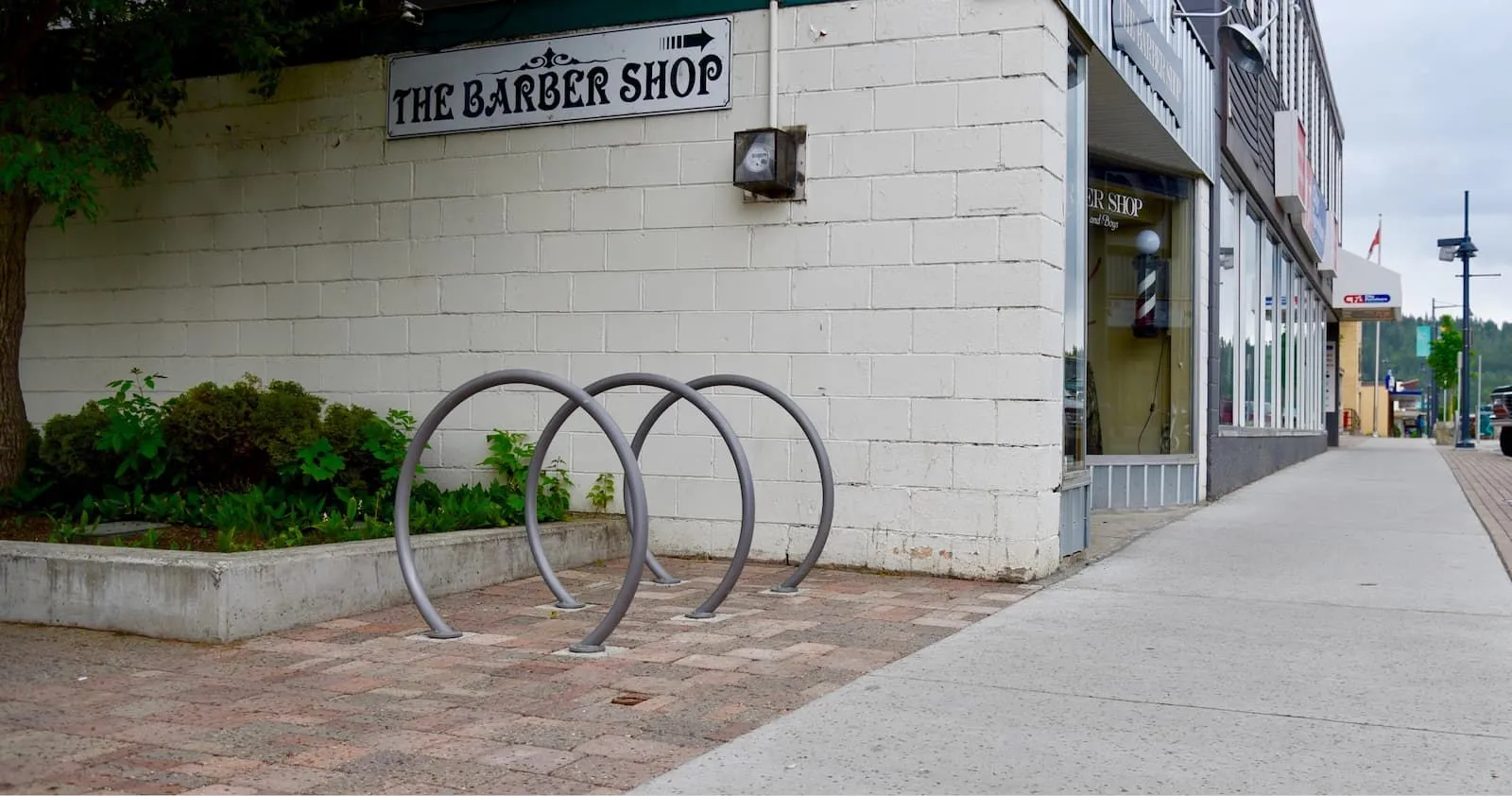
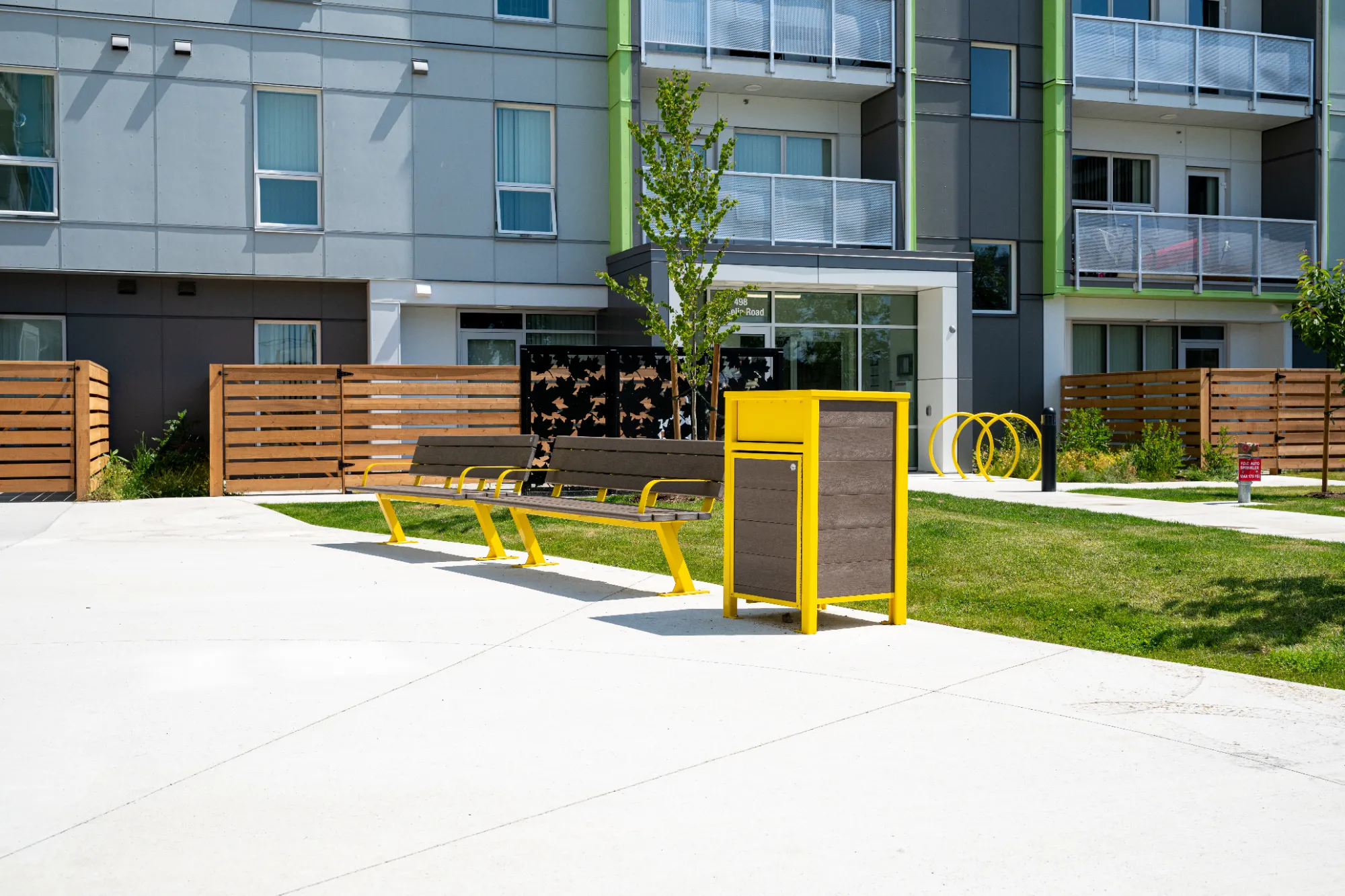
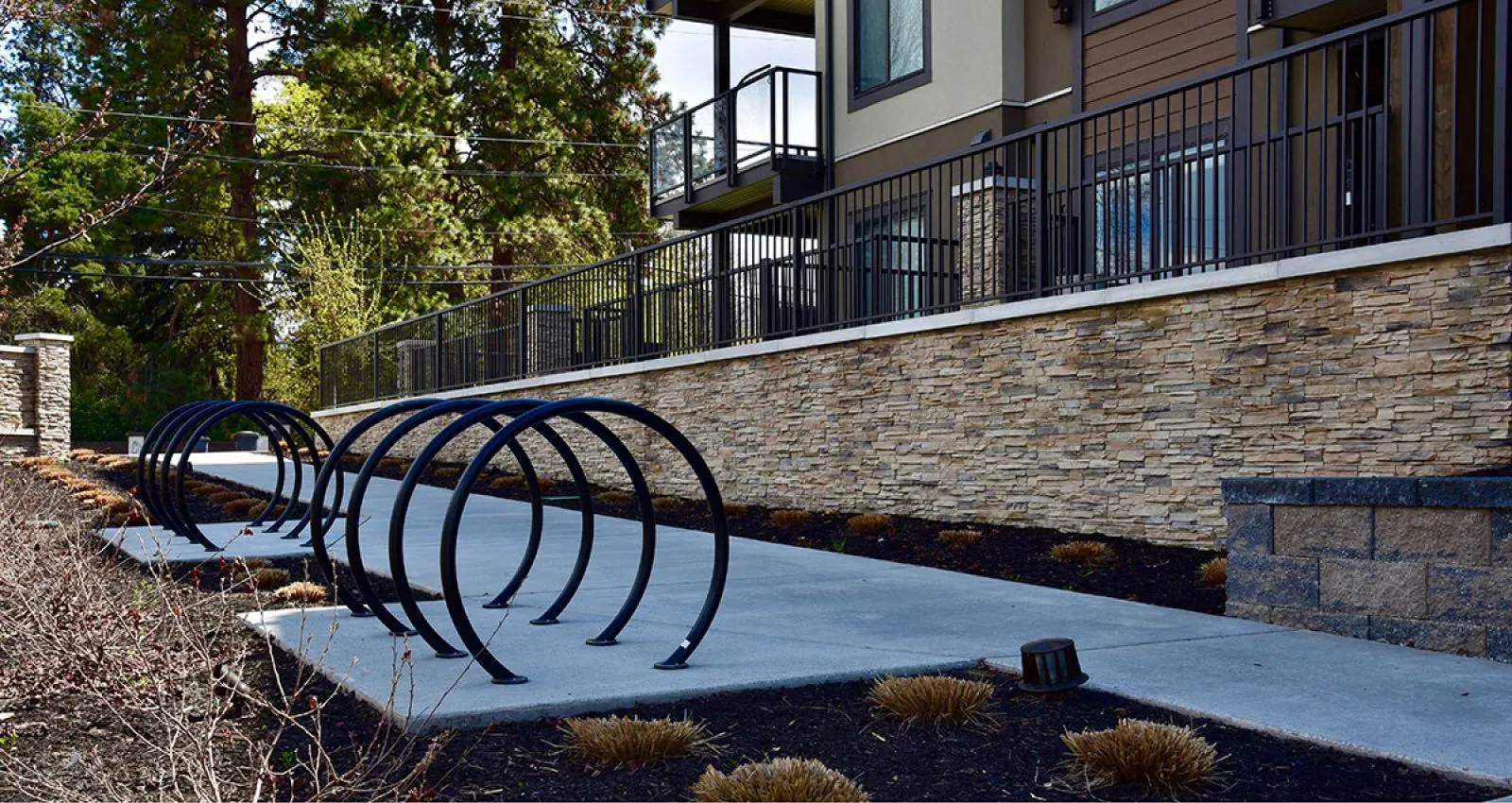
The intuitive way to add bike parking is one big rack by the entrance. The way it actually gets specified is many small racks, distributed. Two-space racks have been three quarters to four fifths of every rack we sell in every year we have records for, and the doubling in bike parking volume happened inside that share, not by moving to larger racks.
Why distributed wins
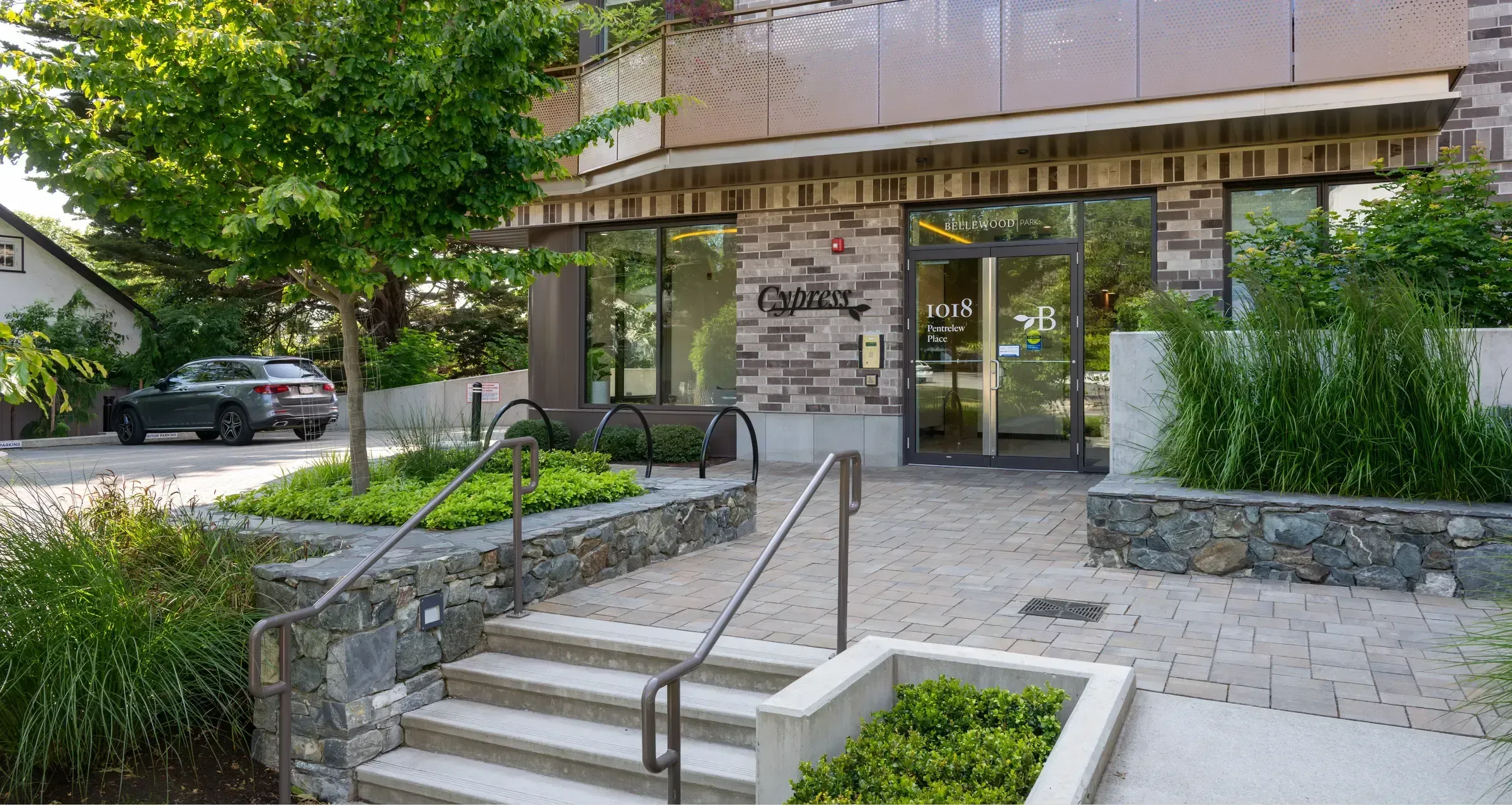
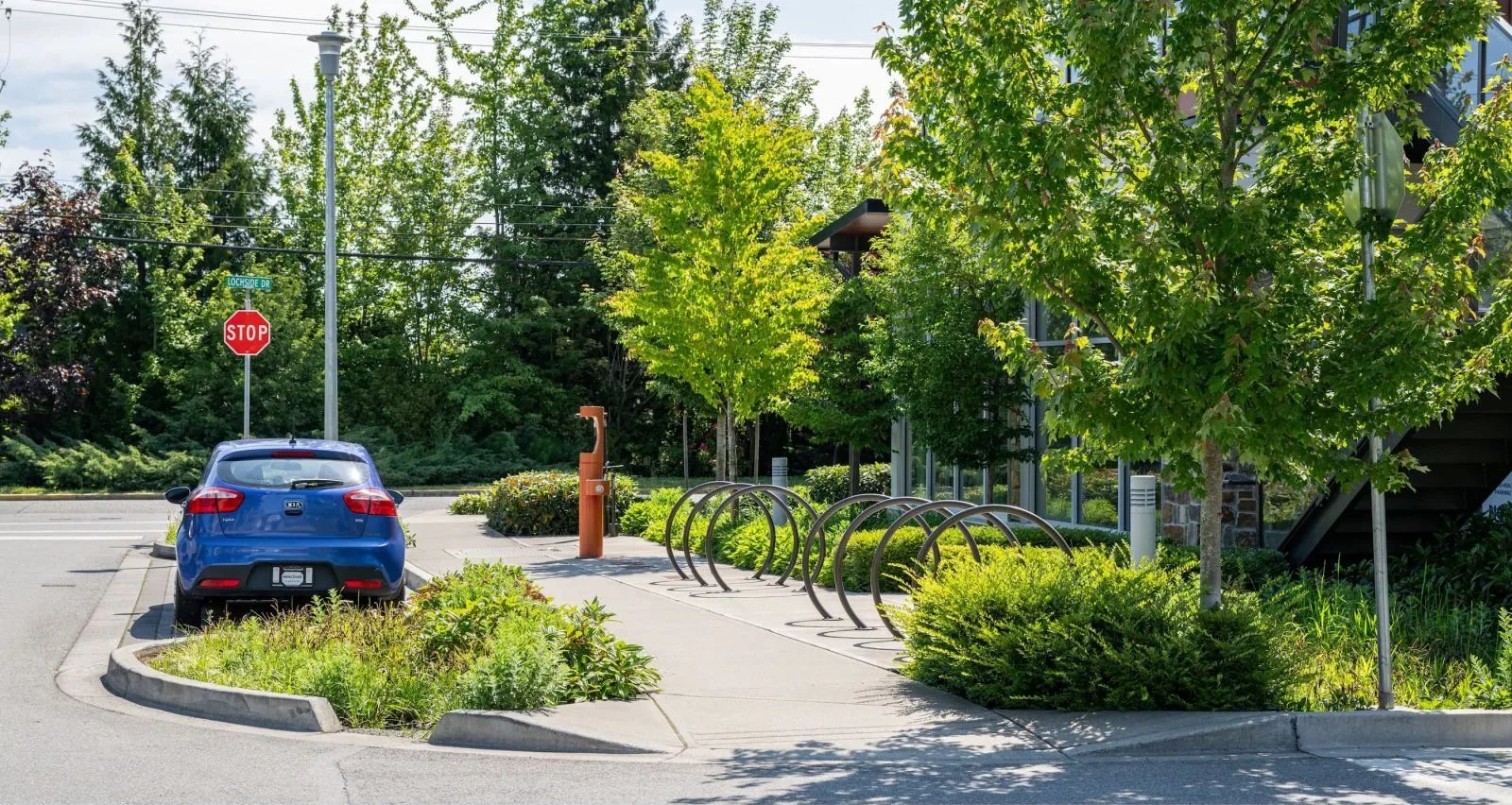
People lock a bike where they are going, not where the rack is. A two-space rack at each building entrance, each trailhead, each playground gate gets used. A twelve-space rack in the corner of the parking lot gets used by the two people who parked next to it. The municipal bike parking bylaws that drove the doubling count spaces, and a developer or a parks department discovered that the cheapest way to meet the count is also the way that gets bikes off railings.
Where the larger racks go
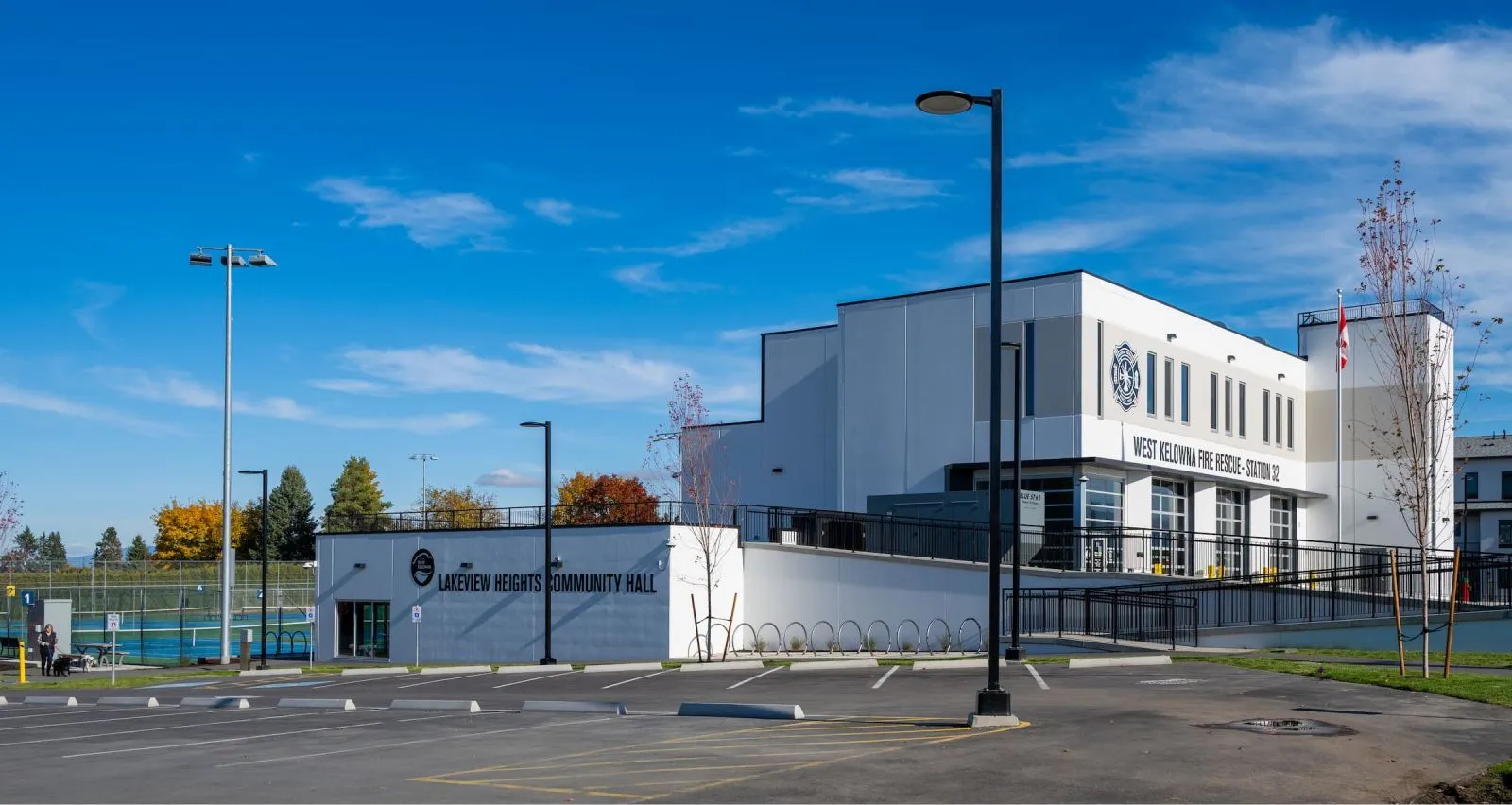
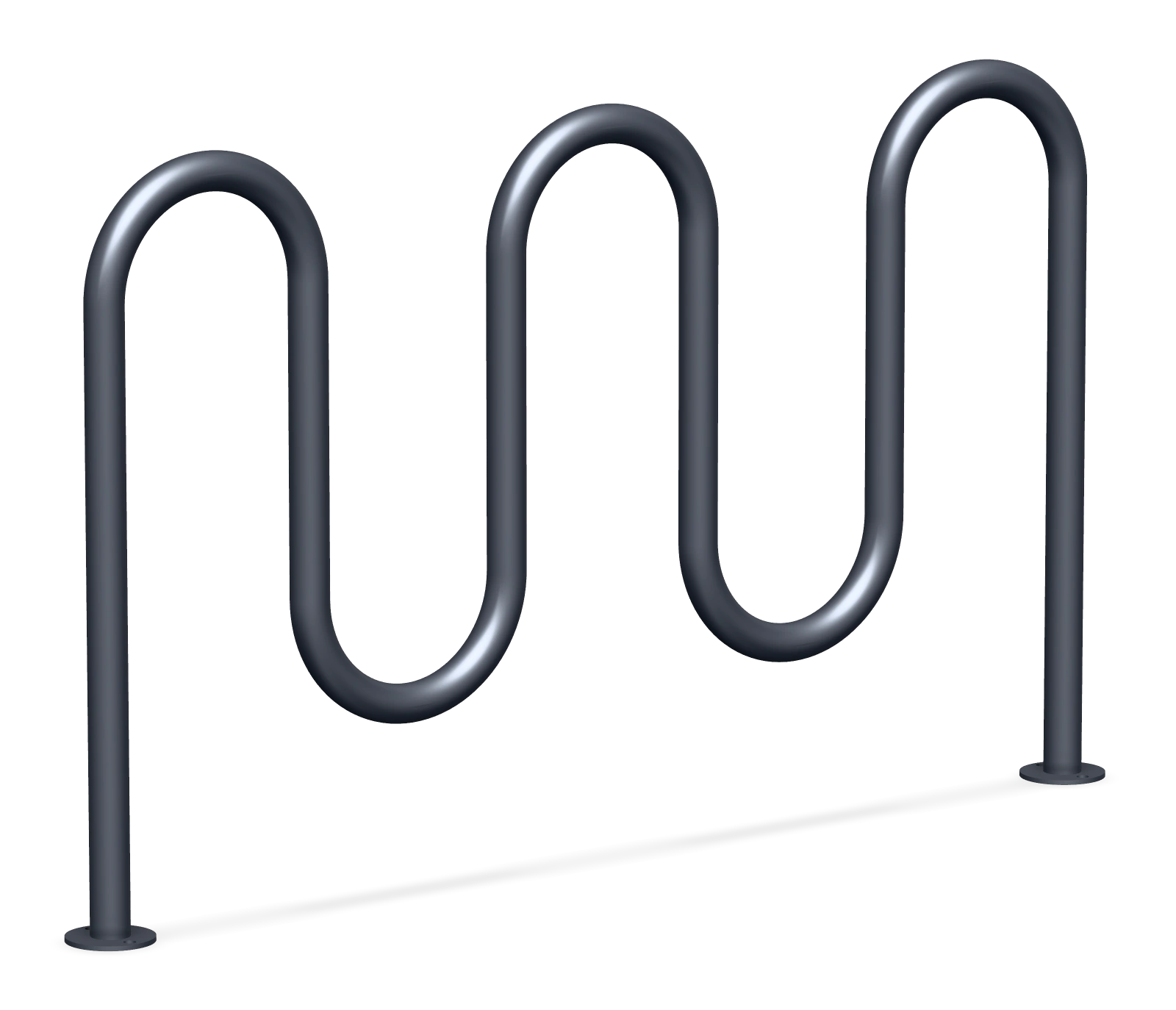
Seven-space racks have sold a steady twenty to thirty a year: schools, transit, and anywhere a hundred bikes arrive at once and leave at once. Three-space racks are the one size that is growing, from five units in 2019 to fifty-eight in 2026. That is probably a site that wants two but is hedging.
On site
Keep looking
When you need more
Explore: Bike Racks · Residential